
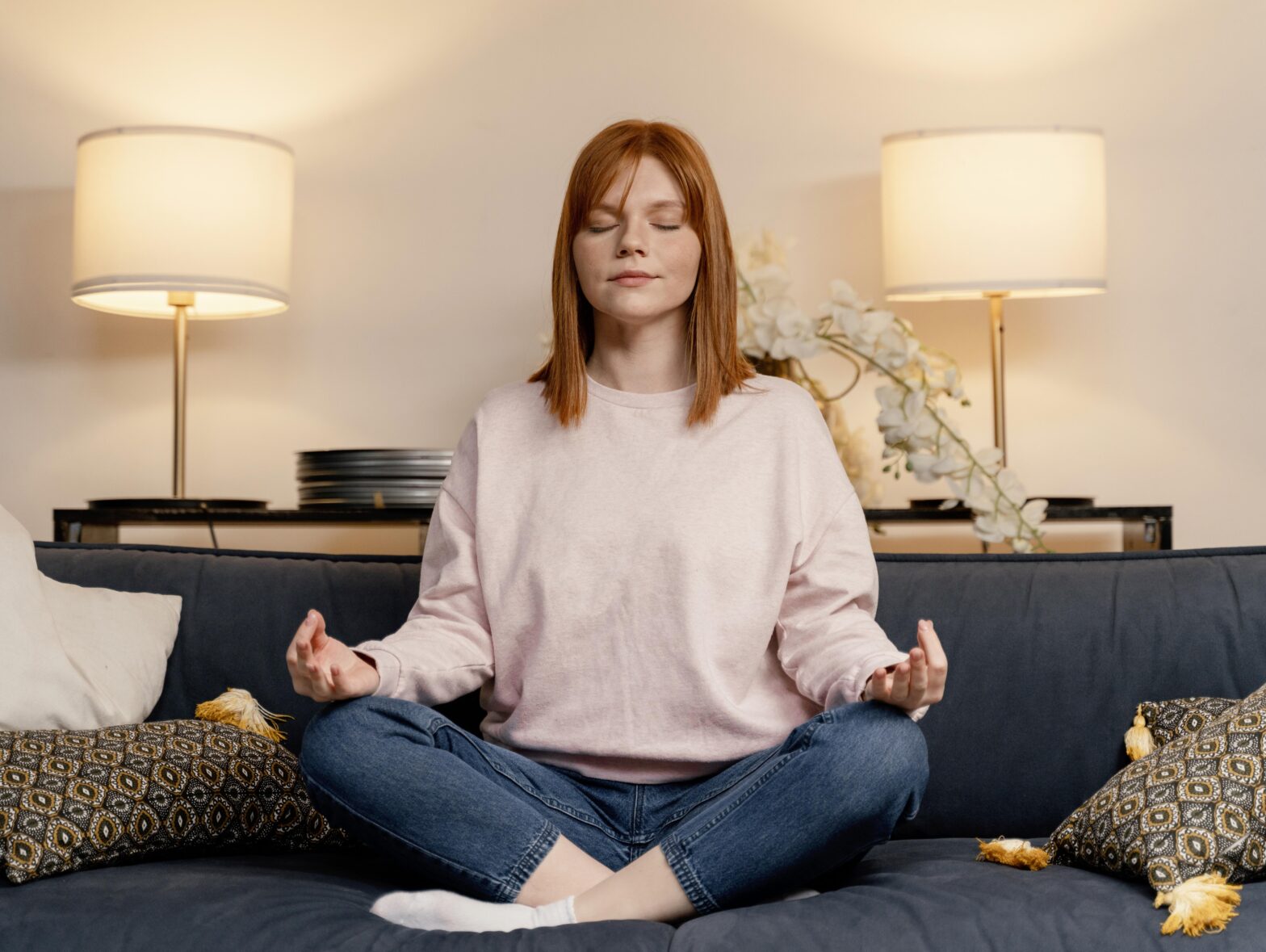
Modern life moves at a speed the human nervous system was never designed to handle. Constant notifications, work pressure, emotional overload, and lack of real rest slowly push the mind into survival mode. Even during sleep, many people feel mentally alert, tense, or anxious without knowing why. This is not a lack of motivation or discipline—it is a sign that the nervous system is overwhelmed and asking for repair. Learning how to calm it deeply has become one of the most important self-care skills of this decade, and this is where nervous system reset meditation becomes truly powerful.
Why the Busy Mind Refuses to Slow Down
A busy mind is often misunderstood as overthinking, but in reality, it is the nervous system staying on high alert. When stress becomes chronic, the body forgets how to switch off. The brain keeps scanning for threats even when none exist. This is why simple relaxation techniques often fail—because the body does not feel safe enough to relax.
This constant alertness affects focus, emotional stability, digestion, immunity, and sleep quality. Over time, it creates burnout that no amount of motivation can fix. True calm only begins when the nervous system receives signals of safety and support rather than force or control.
Understanding What a True Nervous Reset Means
Resetting the nervous system does not mean “emptying the mind” or suppressing thoughts. It means gently guiding the body out of fight-or-flight mode and back into balance. This shift allows the parasympathetic nervous system to activate—the state responsible for healing, creativity, and emotional clarity.
Unlike traditional meditation methods that focus on discipline or concentration, a reset-based approach works with the body’s natural rhythms. It allows relaxation to happen organically, without pressure to perform or achieve a specific mental state.
How Meditation Creates a Deep Sense of Safety
The body relaxes only when it feels safe. Deep meditation techniques work because they communicate safety through breath, awareness, and slow internal signals. When the breath softens, muscles loosen, and attention becomes non-judgmental, the nervous system begins to trust again.
This trust is what allows stress hormones to decrease and calming neurotransmitters to rise. Over time, the body relearns how to return to balance naturally, even in challenging situations. Practiced consistently, nervous system reset meditation becomes less of an activity and more of an internal refuge you can access anytime.
The Role of Breath and Awareness in Deep Calm
Breathing is one of the fastest ways to influence the nervous system. Slow, rhythmic breathing tells the brain that danger has passed. When paired with gentle awareness of bodily sensations, it creates a powerful calming loop.
Instead of focusing on thoughts, attention is placed on physical sensations such as the rise and fall of the chest, warmth in the hands, or the feeling of being supported by the ground. This anchors the mind in the present moment, where stress has no fuel to survive.
Emotional Release Without Force or Analysis
Many people carry unprocessed emotions in the body. Stress, grief, and anxiety often settle into muscles and nerves, creating long-term tension. During deep meditation, these stored emotions may surface gently—not as overwhelming feelings, but as subtle releases.
This process does not require analysis or storytelling. Simply allowing sensations to move and pass is enough. The nervous system understands how to heal when it is not rushed. Over time, emotional resilience improves, and reactions become calmer and more grounded.
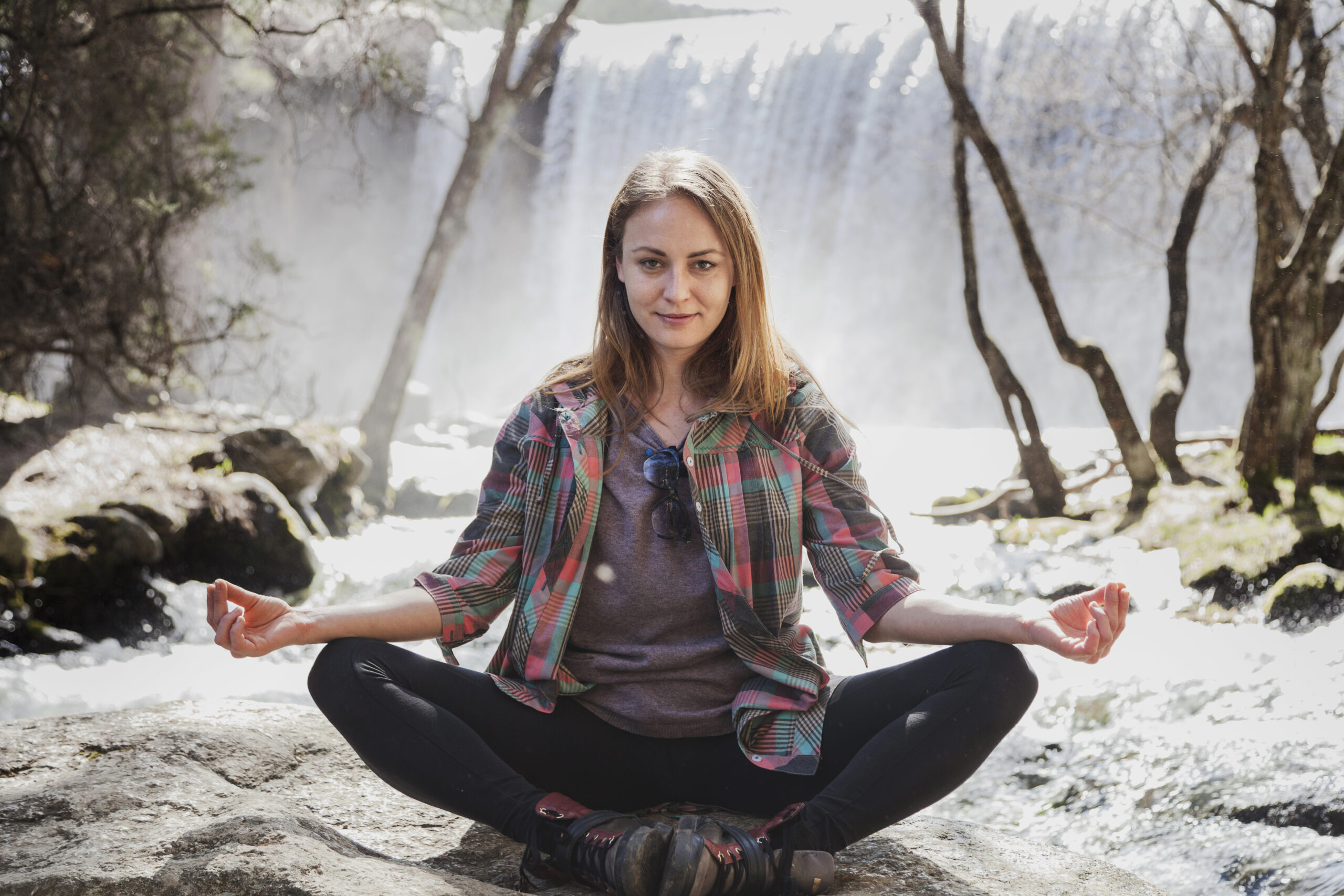
Why Consistency Matters More Than Duration
Long meditation sessions are not necessary to create change. What matters most is regular practice that builds trust with the nervous system. Even short daily sessions signal safety and predictability to the body.
With consistency, the nervous system begins to reset itself automatically. Stress responses soften, sleep improves, and the mind becomes clearer. This is when nervous system reset meditation transforms from a technique into a lifestyle habit that supports long-term mental wellbeing.
Signs Your Nervous System Is Healing
As the nervous system heals, subtle but powerful changes begin to appear. You may notice deeper sleep, fewer emotional triggers, improved focus, and a sense of calm even during busy days. Situations that once felt overwhelming become manageable.
These changes happen gradually, without dramatic effort. The body simply remembers how to return to balance—a state it has always known but temporarily forgotten.
Creating Calm in a World That Never Slows Down
The modern world is unlikely to become less demanding, but your internal experience can change dramatically. True calm does not come from escaping responsibilities but from strengthening the nervous system’s ability to adapt and recover.
By practicing nervous system reset meditation, you give your mind and body permission to rest, repair, and renew. In doing so, calm stops being a rare moment and becomes a steady presence—even in the middle of a busy life.