
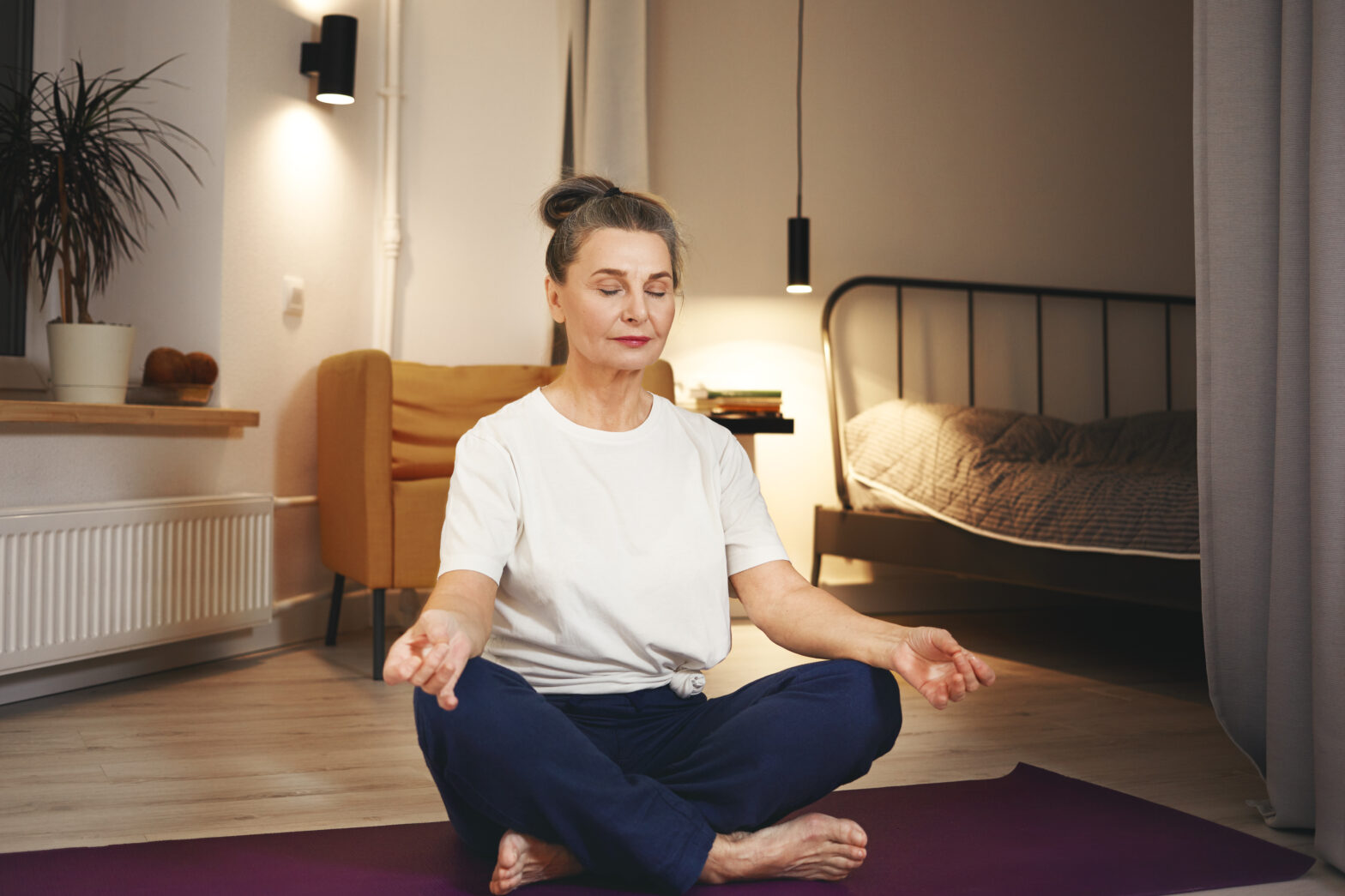
Modern life constantly pulls our attention in multiple directions. Long work hours, emotional responsibilities, digital overload, and personal expectations slowly drain not just the body but the invisible energy field surrounding us. When stress builds up over days and weeks, it often shows up as mental heaviness, unexplained fatigue, or emotional imbalance. This is where energy meditation becomes a deeply restorative practice, helping the mind and aura return to a calm, balanced state after stressful days.
Understanding Stress and Its Impact on Your Aura
Stress is not limited to thoughts or emotions. It also affects the subtle energy system of the body. The aura, often described as an energetic layer surrounding us, reflects our emotional and mental health. When stress becomes constant, this energy field can feel dense, weak, or scattered. People may notice restlessness, lack of focus, mood swings, or a sense of being “off” even when physically healthy.
Unlike physical exhaustion, energetic fatigue doesn’t always disappear with sleep. That’s because stress can lodge itself into emotional memory and energetic patterns. Meditation that works on an energetic level allows release to happen gently, without forcing the mind to “fix” anything.
What Makes This Meditation Practice Different
Many relaxation techniques focus only on calming the brain. While that is helpful, it often doesn’t reach deeper layers where emotional residue lives. Energy meditation works by guiding awareness inward while allowing the body’s natural healing intelligence to rebalance itself. Instead of controlling thoughts, the practice encourages observing sensations, breath, and subtle shifts in awareness.
This gentle inward attention allows blocked or stagnant energy to move freely again. Over time, this movement restores a sense of lightness, emotional clarity, and grounded calm. The result is not just relaxation but a feeling of being energetically refreshed.
How the Practice Helps Release Emotional Weight
Stressful days often carry unspoken emotions such as frustration, worry, or disappointment. These emotions don’t always find expression, so they settle silently into the nervous system. Meditation that focuses on energy creates a safe internal space where these emotions can soften naturally.
As attention slows down, the body begins to signal safety to the nervous system. Breathing becomes deeper, the heart rate stabilizes, and mental noise reduces. In this calm state, the aura gradually clears itself, similar to how muddy water settles when left undisturbed. The mind doesn’t need to analyze the stress for healing to occur; awareness alone becomes the catalyst.
Recharging the Aura Through Stillness
Stillness is one of the most underrated healing tools. When the mind stops chasing thoughts, the energy field has space to reorganize itself. During meditation, moments of silence between breaths become powerful points of renewal. These pauses allow the aura to regain strength and coherence.
With consistent practice, people often report feeling emotionally lighter after stressful days, even if external circumstances remain unchanged. This is because the internal response to stress transforms. Instead of absorbing tension, the aura becomes more resilient and less reactive.
The Role of Intention and Awareness
Intention plays a subtle but important role in meditation. Setting a simple intention to rest, release, or restore can guide the experience without effort. The key is not forcing results but allowing awareness to do its work. When attention rests gently within the body, the energetic system naturally responds.
Over time, this practice builds self-awareness. You begin to notice early signs of energetic fatigue and can restore balance before stress accumulates. This awareness turns meditation into a preventive tool rather than just a recovery method.
Long-Term Benefits Beyond Stress Relief
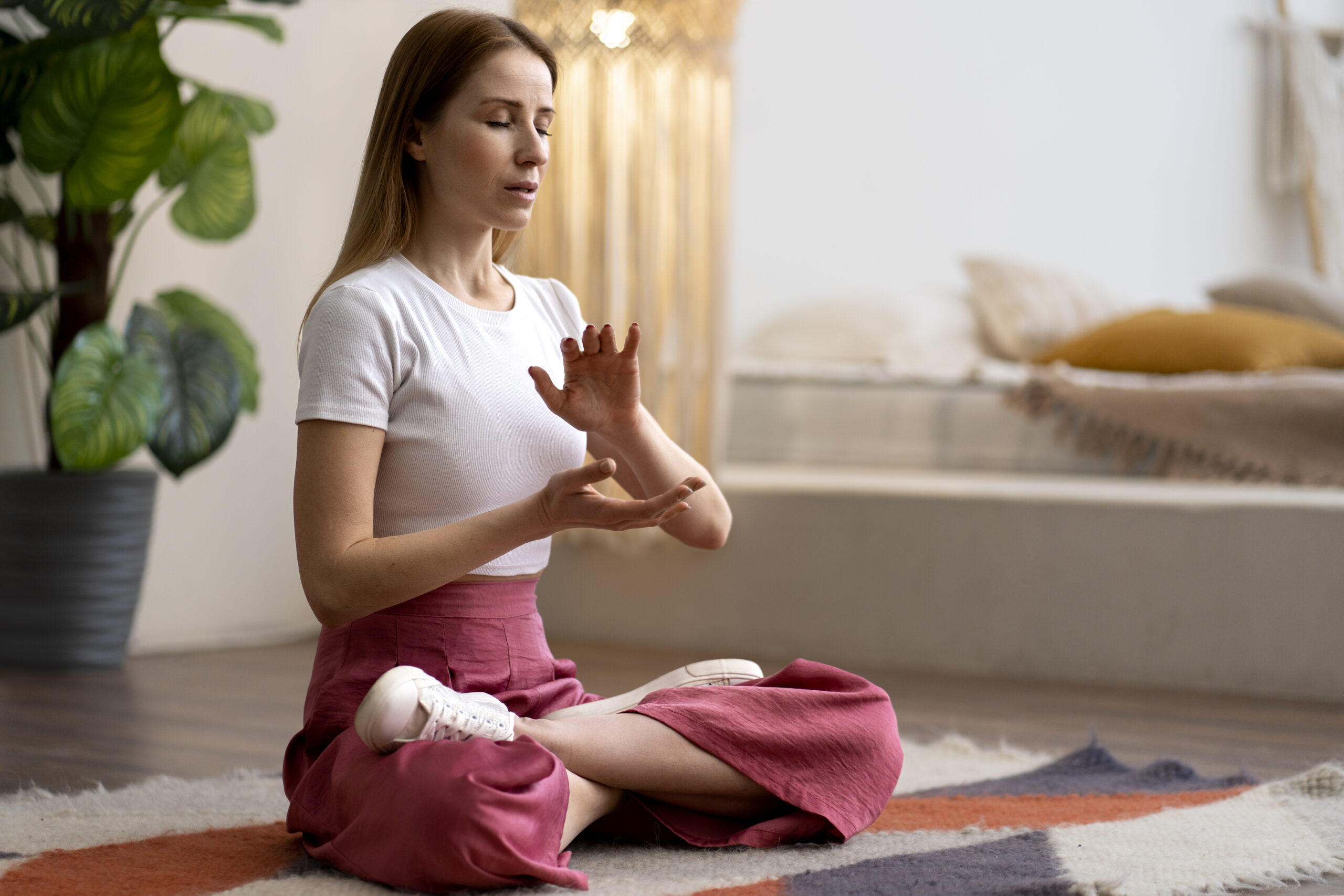
The effects of energy meditation extend far beyond immediate relaxation. Regular practice improves emotional stability, mental clarity, and overall vitality. People often feel more present in daily life, respond calmly to challenges, and experience better sleep quality.
As the aura strengthens, it becomes easier to maintain boundaries, both emotionally and mentally. External stressors no longer penetrate as deeply, creating a sense of inner security. This long-term resilience is one of the most valuable outcomes of the practice.
Making the Practice Part of Daily Life
You don’t need long sessions or perfect conditions to benefit. Even short moments of quiet awareness can help recharge the energy field. Practicing after a demanding workday or before sleep can significantly reduce accumulated stress.
The goal is consistency, not intensity. Gentle daily practice allows the nervous system to adapt naturally, making calmness a familiar state rather than a temporary escape.
Final Thoughts on Energetic Renewal
Stress is an unavoidable part of life, but carrying its energetic weight doesn’t have to be. Through mindful awareness and inner stillness, the body and aura can restore themselves naturally. By practicing energy meditation regularly, you give yourself the space to heal, recharge, and reconnect with a calmer inner state—even after the most stressful days.
True restoration doesn’t come from doing more. It comes from allowing yourself to pause, breathe, and let your inner energy find its balance again.