
Okay, so check this out—I’ve been juggling browser wallets for years. Wow! Some days it’s smooth. Other days it’s a train wreck. My instinct said “use something minimal,” but then I kept hitting UX and security walls. Initially I thought a single extension could do everything, but then realized trade-offs pile up fast, especially when you use DeFi every day.
Whoa! Browser wallets feel magical and risky at the same time. They let you sign trades in two clicks, and they also hand over keys to a piece of software that lives where you browse the web. Hmm… something felt off about that for a long time, and I kept poking at how wallets like these manage connections, approvals, and permissions. On one hand, convenience is king. On the other, if an extension misbehaves, you lose funds very quickly—though actually, wallet design can mitigate much of that risk.
I want to be candid. I’m biased toward wallets that treat security as a workflow, not a checkbox. I tried Ledger + MetaMask combos, I used mobile-first wallets, and I experimented with lesser-known extensions. Along the way I picked up patterns. Some are obvious. Some are sneaky. Here’s what I care about: safety defaults, transaction previews, granular dApp permissions, and sane UX that prevents fat-finger losses. I’m not 100% sure on every edge case, but these priorities guided my hunt for a better experience—hence why I started leaning on rabby as my daily driver.
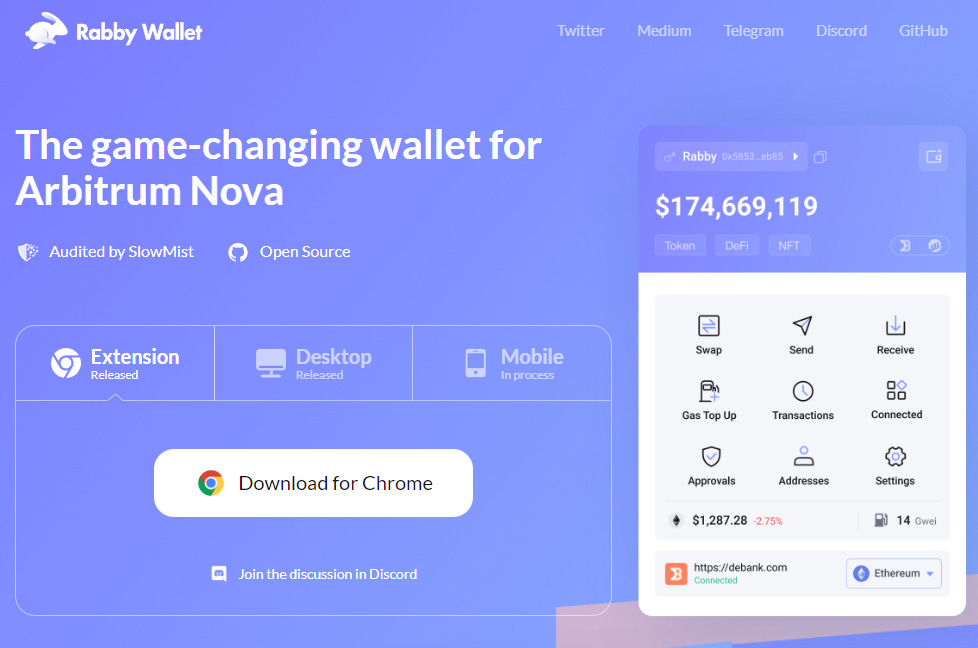
Why browser extension wallets are both awesome and dangerous
Browser extensions give you direct dApp connectivity. That’s the big win. You can approve swaps, stake, or interact with smart contracts without leaving your browser. Short bursts. But here’s the rub: extensions sit inside the browser process. That means they share memory space, and they can be targeted by malicious pages or other extensions. So the question is not whether you should use one, but which one reduces risk in realistic ways.
First, think about permission granularity. Many wallets still ask for global access or require you to “connect” in a way that leaves wide-open exposure. My instinct said “nope” when I saw broad permissions. Use connect flows that separate site connection from transaction approval. That way the wallet can cache trust with fine-grained controls and you don’t accidentally approve everything forever.
Second, transaction previews matter. Like, really matter. I’ve signed transactions that were worded poorly and nearly sent funds where I didn’t intend. Wallets that show human-readable breakdowns—token amounts, recipient address origin (contract vs EOA), gas, and method name—help catch mistakes. Rabby pushes this hard; it forces you to see and confirm the transaction in context rather than burying details behind developer jargon. I’m not saying it’s perfect. But the design nudges you to make safer choices and that’s huge.
Third, automatic gas handling is helpful but can also mask issues. If the wallet silently bumps gas or auto-submits a replacement transaction, you need visibility. My method is simple: let the wallet suggest, but show the changes and give me control. Rabby surfaces gas adjustments and shows replacement intents. That extra transparency has stopped me from doubling fees accidentally—very very important when networks flare up.
Another pattern: ephemeral approvals. Some dApps request spend approval for tokens. Granting unlimited allowance is convenient for traders who want speed. It also opens an attack vector if the dApp or its backend is compromised. The safer route is to use allowances set to exact amounts or time-limited approvals. I switch allowances manually when I can. It’s a little extra work but it lowers blast radius. Rabby makes managing approvals straightforward, and it even helps you revoke allowances from the extension UI—handy, and honestly it should be standard everywhere.
Real features that matter day-to-day
Let me lay out specifics that actually changed how I operate.
First, action-level confirmations. Short sentence. Rabby separates “connect” from “sign” and “execute” actions. That split reduces accidental signing. When a dApp requests only metadata or reading access, it shouldn’t ask you to sign. Simple and effective.
Second, multi-account UX. Many of us keep multiple addresses for different purposes—trading, long-term holding, experiment wallets. A good extension makes switching fast and clear. Rabby keeps accounts visible and names persistent so I don’t mistakenly operate from the wrong address. My instinct said “I can handle it,” though actually mistakes happen at 2 a.m. after a few coffees…
Third, phishing protection. This is messy territory. No wallet is bulletproof against clever phishing pages. But wallets can provide heuristics: flagging suspicious domains, warning on similar-looking addresses, and providing domain binding for sites you trust. Rabby includes domain binding and other safeguards that reduce social engineering wins. Again, not perfect—attackers adapt—yet safeguards matter.
Fourth, transaction decoding. If a wallet shows method names and parameter summaries for contract calls, it cuts down on blind approvals. That simple decode saved me once when a swap was routed through a bridge that would have triggered a long approval sequence. It looked fine at a glance, but the decode revealed a call to “permit” plus a hidden approval. I aborted. You should want that level of inspection.
Fifth, local signing and hardware wallet integration. Store your seed offline when you can. Rabby supports hardware signers and local key management so you can balance convenience and cold security. For daily trading, I run a hot account with minimal funds and keep the bulk in hardware—old habit, but it works.
Common objections and the trade-offs
People say extensions are too risky. Fair. Somethin’ about browser-based keys makes folks nervous. I’m with you. But not all extensions are equal. There are trade-offs between friction and safety. Higher friction (hardware approvals, manual nonces) reduces errors and scams. Lower friction (auto-signing, persistent allowances) speeds trades but increases blast radius. Pick your posture based on activity and funds at stake.
Another objection: “Why not use mobile wallets?” Mobile wallets have strengths—secure enclaves, OS-level sandboxing, and strong UX for some. They also have weaknesses like app store supply-chain risks and weaker desktop integration for some dApps. For heavy DeFi use in a browser, a secure extension with hardware options often makes more sense. That’s why a hybrid approach is pragmatic: desktop extension + hardware key or mobile wallet for sensitive ops.
People worry about centralization. Extensions often rely on backend RPC providers by default, which can leak metadata. Use your own node or privacy-minded RPC when you care. Rabby lets you configure providers and switch networks, which gives power back to the user. I’m not claiming this solves all privacy leaks, but it’s a step toward control rather than surrender.
How I use Rabby day-to-day (my workflow)
Short list. My ritual is deliberate.
1) Keep most funds in cold storage. 2) Hot wallet equals minimal balance for swaps. 3) Use explicit allowances and revoke regularly. 4) Check transaction decode before signing. 5) Use hardware for large approvals or contract interactions. These steps add time, but they prevent dumb losses.
Oh, and by the way, I check recent approvals weekly. It’s quick and often revealing. I found a stale allowance once that could’ve been exploited if the dApp backend was compromised. I revoked it immediately. Small habits matter.
FAQs — Quick answers to common worries
Is a browser extension safe for daily DeFi?
Short answer: yes, if you layer defenses. Use hardware keys for big sums, keep only operational funds in the extension, verify transaction details, and prefer wallets that offer granular permissions and visible transaction decodes. Rabby supports these approaches and makes them approachable.
How does Rabby compare to MetaMask?
MetaMask is widespread and battle-tested, but it doesn’t prioritize some safety UX by default. Rabby focuses more on explicit decodes, domain binding, and clearer permission flows. That extra clarity reduces accidental approvals. I’m biased, but in day-to-day DeFi work I find Rabby’s mental model easier to trust.
What about phishing and malicious dApps?
Always be cautious. Use bookmarks for critical dApps, validate domain spellings, and check signature prompts carefully. Wallets can help by warning you, but the user remains the last line of defense. When in doubt, pause and verify off-band.
Okay, to wrap this up—no, wait, I promised not to do a neat recap. So here’s my blunt take: use tools that nudge safety, not tools that assume you’ll be perfect. Rabby does that for me. It doesn’t solve every problem. Bugs happen. Threats evolve. But the wallet’s emphasis on clarity and control reduces the common human errors that cost people real money. I’m still learning, and I still mess up sometimes, but these patterns have saved me more than once. Try it with a small balance first. Test everything. Be skeptical. And trade safe—seriously.