
In an era where new viruses, bacteria, and environmental pollutants are constantly emerging, maintaining personal and community hygiene has become more critical than ever. While hygiene has always been a cornerstone of public health, hygiene awareness 2026 emphasizes proactive measures, modern practices, and technological solutions to protect individuals from evolving health risks. From the way we handle food to the way we interact in public spaces, understanding and practicing hygiene is no longer optional—it is essential for long-term health.
The Changing Landscape of Health Risks
The health challenges of today differ significantly from those of previous decades. Globalization, climate change, and urban overcrowding have accelerated the spread of infectious diseases. Moreover, antimicrobial resistance, pollution, and lifestyle-related illnesses such as obesity and diabetes complicate the picture. These risks are no longer confined to hospitals or remote areas; they affect everyday environments like offices, schools, and public transportation.
For example, surfaces that were once considered harmless—door handles, elevator buttons, and smartphones—can now carry pathogens capable of causing severe illness. This is where hygiene awareness 2026 comes in, encouraging people to adopt preventative behaviors before exposure becomes a threat.
Personal Hygiene: The First Line of Defense
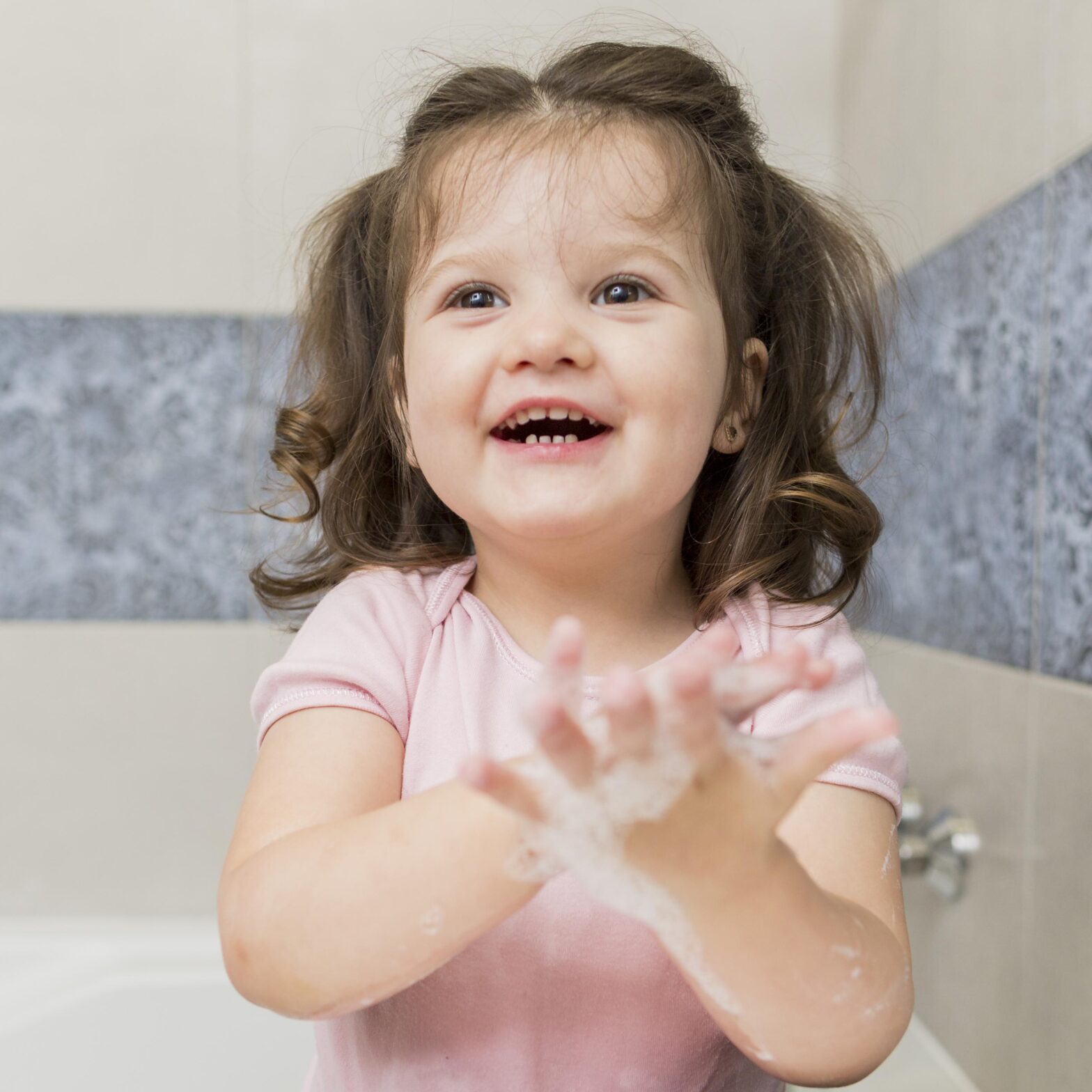
Personal hygiene remains the most effective barrier against infections. Simple habits, when practiced consistently, can prevent the majority of communicable diseases. Washing hands regularly with soap and water is still one of the most effective defenses against pathogens. However, hygiene in 2026 goes beyond just handwashing. It incorporates the use of alcohol-based sanitizers when handwashing is not possible, regular cleaning of personal devices, and mindful practices like covering your mouth when sneezing or coughing.
Regular bathing, maintaining oral health, and ensuring that clothing and personal spaces are clean are also critical. Emerging evidence shows that neglecting these habits can increase vulnerability not only to infections but also to skin conditions, allergies, and respiratory problems.
Community Hygiene: Shared Responsibility
While individual hygiene is important, community hygiene plays an equally significant role in controlling the spread of diseases. Public awareness campaigns now focus on sanitation practices such as proper waste disposal, safe drinking water, and responsible use of communal facilities. Cities and organizations are increasingly using technology to monitor hygiene compliance, such as sensors for clean restrooms or AI-driven systems to detect contamination hotspots in public spaces.
In workplaces and schools, regular cleaning protocols, social distancing measures during outbreaks, and educational programs on hygiene etiquette ensure that individuals collectively contribute to a safer environment. These practices not only prevent infections but also enhance overall productivity and well-being.
Food and Water Safety
One of the most overlooked areas of hygiene is food and water safety. Contaminated food or water is a major source of diseases, including food poisoning, diarrhea, and even long-term illnesses like liver infections. In 2026, hygiene awareness includes knowledge about proper food storage, cooking at safe temperatures, avoiding cross-contamination, and choosing safe sources of drinking water.
Furthermore, as more people rely on online food delivery, awareness about how food is prepared, packaged, and transported is critical. Even minor negligence in handling or storage can create conditions for harmful bacteria or viruses to thrive.
Technological Advancements Supporting Hygiene
Technology is playing a pivotal role in promoting hygiene awareness. From touchless devices and automated sanitizers to smartphone apps that remind users to wash hands or track sanitation schedules, modern innovations make hygiene more accessible and effective. Hospitals, schools, and offices increasingly use ultraviolet (UV) light sterilization and antimicrobial coatings on high-touch surfaces to reduce infection risks.
These tools are not just about convenience—they are preventive measures that protect against diseases that can spread silently but rapidly in shared environments. Being informed about these tools and adopting them when possible enhances personal and public safety.

Mental and Social Hygiene
Hygiene is not limited to physical practices; mental and social hygiene are equally important for overall health. Stress, anxiety, and poor mental habits can weaken the immune system, making individuals more susceptible to infections. Maintaining clean and organized living spaces, avoiding clutter, and practicing mindful behaviors are all part of a holistic approach to hygiene in 2026.
Social hygiene, including respectful interactions, maintaining distance during outbreaks, and promoting vaccination awareness, contributes to a healthier, more resilient community. Recognizing that health is interconnected—physical, mental, and social—ensures that hygiene practices are comprehensive rather than superficial.
Educating and Sustaining Hygiene Awareness
Education is the foundation of hygiene awareness 2026. Schools, workplaces, and media campaigns are crucial for spreading knowledge about modern hygiene practices. The key is not only to educate but also to sustain these behaviors over time. People need to understand the consequences of neglecting hygiene, and communities need to provide the infrastructure—clean water, sanitation facilities, and accessible information—to make it practical.
Sustaining hygiene habits requires a combination of personal responsibility, social reinforcement, and innovative solutions that make these practices convenient, consistent, and effective.
Conclusion
As health risks continue to evolve, hygiene awareness 2026 is more critical than ever. Personal care, community responsibility, food and water safety, technological support, and mental and social well-being all contribute to a comprehensive hygiene strategy. By staying informed and proactive, individuals can protect themselves and those around them from emerging health threats. Hygiene is no longer just a routine; it is a conscious, essential choice that determines health outcomes for years to come.
Investing time and attention in hygiene today is a safeguard for tomorrow—a step that ensures not only survival but also a higher quality of life in an increasingly complex world.