
Cervical cancer risk factors remains one of the most significant health challenges for women globally. However, it is also one of the most preventable and treatable forms of cancer when identified at an early stage. Awareness and proactive health management are the most effective tools a woman has to protect her long-term reproductive health. As outlined recognizing the specific risk factors associated with this condition is a vital step toward taking control of your health journey.
The Core Risk Factors You Should Know
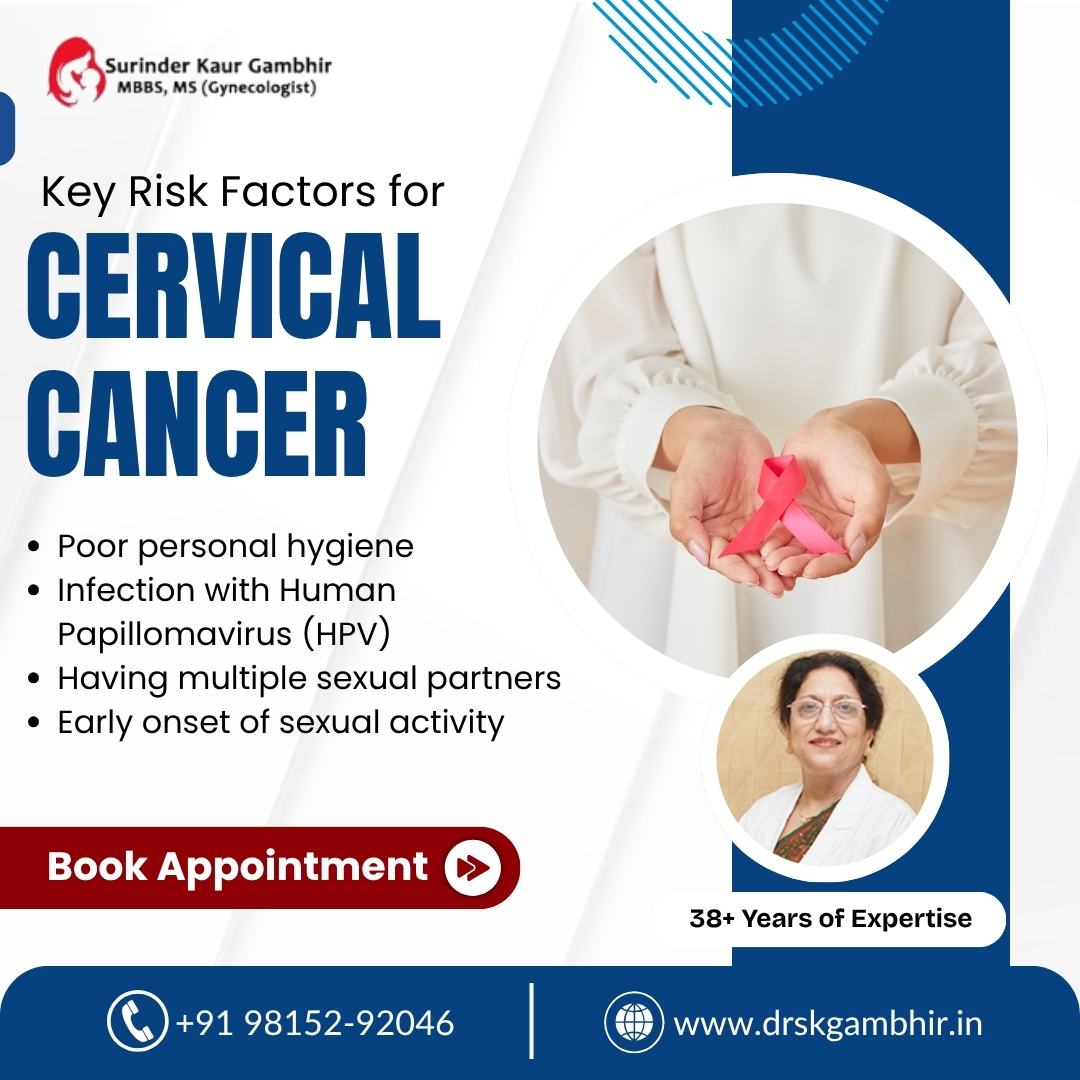
Medical understanding of cervical cancer has evolved significantly, allowing clinicians to identify specific behaviors and biological factors that elevate a woman’s risk. According to the expertise shared by Dr. Surinder Kaur Gambhir, these primary risk factors include:
-
Human Papillomavirus (HPV) Infection: HPV is a group of more than 200 related viruses, some of which are sexually transmitted and are directly linked to the development of cervical cancer.
-
Early Onset of Sexual Activity: Medical data indicates that beginning sexual activity at an early age may increase the duration of potential exposure to high-risk factors.
-
Multiple Sexual Partners: Having multiple sexual partners increases the statistical likelihood of being exposed to high-risk strains of HPV.
-
Poor Personal Hygiene: Maintaining rigorous standards of personal hygiene is a fundamental component of reproductive health that can influence overall wellness.
Why Proactive Screening is Non-Negotiable
With over 38 years of clinical experience, Dr. Surinder Kaur Gambhir highlights that cervical cancer often develops slowly, which is why routine screening is so effective. Precancerous changes often do not present immediate symptoms; however, these changes can be detected through regular gynecological examinations, such as the Pap smear and HPV testing.
By identifying these changes early, healthcare providers can intervene long before the condition progresses to invasive cancer. A commitment to regular screenings is not merely a medical necessity—it is an act of empowerment.
Lifestyle Choices and Long-Term Wellness
While some risk factors are biological, many preventative measures are grounded in daily lifestyle choices. Beyond clinical screenings, maintaining overall reproductive health involves:
-
Vaccination: The HPV vaccine is a highly effective way to prevent infection with the types of HPV most commonly associated with cervical cancer.
-
Safe Sexual Practices: Utilizing barrier methods can reduce the risk of contracting sexually transmitted infections, including HPV.
-
Routine Health Check-ups: Establishing a consistent relationship with a trusted gynecologist ensures that you stay informed about your health status and receive timely guidance.
Creating Your Health Strategy
Understanding these risks should not lead to anxiety, but rather to clarity. Every woman’s health profile is unique, and personalized care is the gold standard for long-term health. Whether you are due for your annual check-up or have specific concerns about your reproductive health, the path to a healthier future begins with a professional consultation.
Do not wait for symptoms to manifest. Taking an active interest in your health, combined with expert medical guidance, is the most reliable way to ensure a healthy future.
Schedule Your Consultation Today
If you would like to discuss your health or schedule a preventive screening, Dr. Surinder Kaur Gambhir and her team are dedicated to providing compassionate, expert care.
-
Physician: Dr. Surinder Kaur Gambhir (MBBS, MS – Gynecologist)
-
Experience: 38+ Years of Expertise
-
Phone: +91 98152-92046
-
Website: www.drskgambhir.in
Disclaimer: This blog post is for informational purposes only and does not constitute medical advice, diagnosis, or treatment. Always seek the advice of your physician or other qualified health provider with any questions you may have regarding a medical condition.