

Health conversations are changing fast. For years, people chased diet plans, calorie charts, and extreme fitness trends hoping for instant results. In reality, most of those methods delivered short-term success and long-term frustration. As we move deeper into 2026, wellness is no longer about restriction—it’s about restoration. The growing interest in holistic health routines 2026 reflects a deeper understanding that true health comes from how we live every day, not what we cut out for a few weeks.
People are finally realizing that the body, mind, and emotions function as one system. When daily habits support all three, healing happens naturally. When they don’t, even the best diet fails to deliver lasting wellness.
Why Diet Plans Alone Are No Longer Enough
Diet plans focus almost entirely on food, but health is influenced by much more than meals. Stress levels, sleep quality, emotional balance, movement patterns, and even breathing habits play a direct role in how the body functions. A person can eat “perfectly” and still feel exhausted, anxious, or inflamed if the rest of their lifestyle is ignored.
Another problem with strict diet plans is sustainability. Many people follow them with discipline for a short time, only to return to old habits once motivation fades. This cycle often leads to guilt, hormonal imbalance, and metabolic stress. Healing, on the other hand, requires consistency, not control.
That is why modern wellness emphasizes daily alignment rather than temporary discipline.
Understanding Holistic Health in Everyday Life
Holistic health does not mean complicated routines or expensive wellness products. It simply means recognizing that small daily actions influence overall wellbeing. How you wake up, how you respond to stress, how often you move your body, and how deeply you rest at night all shape your health outcomes.
In 2026, holistic wellness is about creating rhythms that the body can trust. When routines are predictable and nourishing, the nervous system relaxes, digestion improves, and immunity strengthens. This approach supports healing from the inside rather than forcing change from the outside.
The Power of Morning and Evening Rituals
Daily routines frame the nervous system. Mornings that begin with rushing, screen exposure, and mental overload set the body into stress mode for hours. Evenings filled with stimulation and late-night scrolling prevent proper recovery.
Simple, mindful rituals can transform these critical transition periods. Gentle movement, natural light exposure, slow breathing, and quiet reflection help the body wake up without shock. At night, calming routines signal safety to the brain, allowing deeper sleep and better hormonal balance.
These habits may seem small, but practiced consistently, they create powerful physiological shifts.
Emotional Health Is Physical Health
One of the biggest insights driving holistic wellness is the connection between emotions and physical symptoms. Chronic stress, unresolved emotions, and mental overload can manifest as digestive issues, fatigue, headaches, and immune weakness.
Suppressing emotions does not eliminate their impact on the body. Instead, holistic health encourages awareness, expression, and regulation. Practices like journaling, mindful breathing, gratitude reflection, or quiet self-check-ins help release emotional tension before it becomes physical illness.
This is why holistic health routines 2026 emphasize emotional care as much as physical activity or nutrition.
Movement as Medicine, Not Punishment
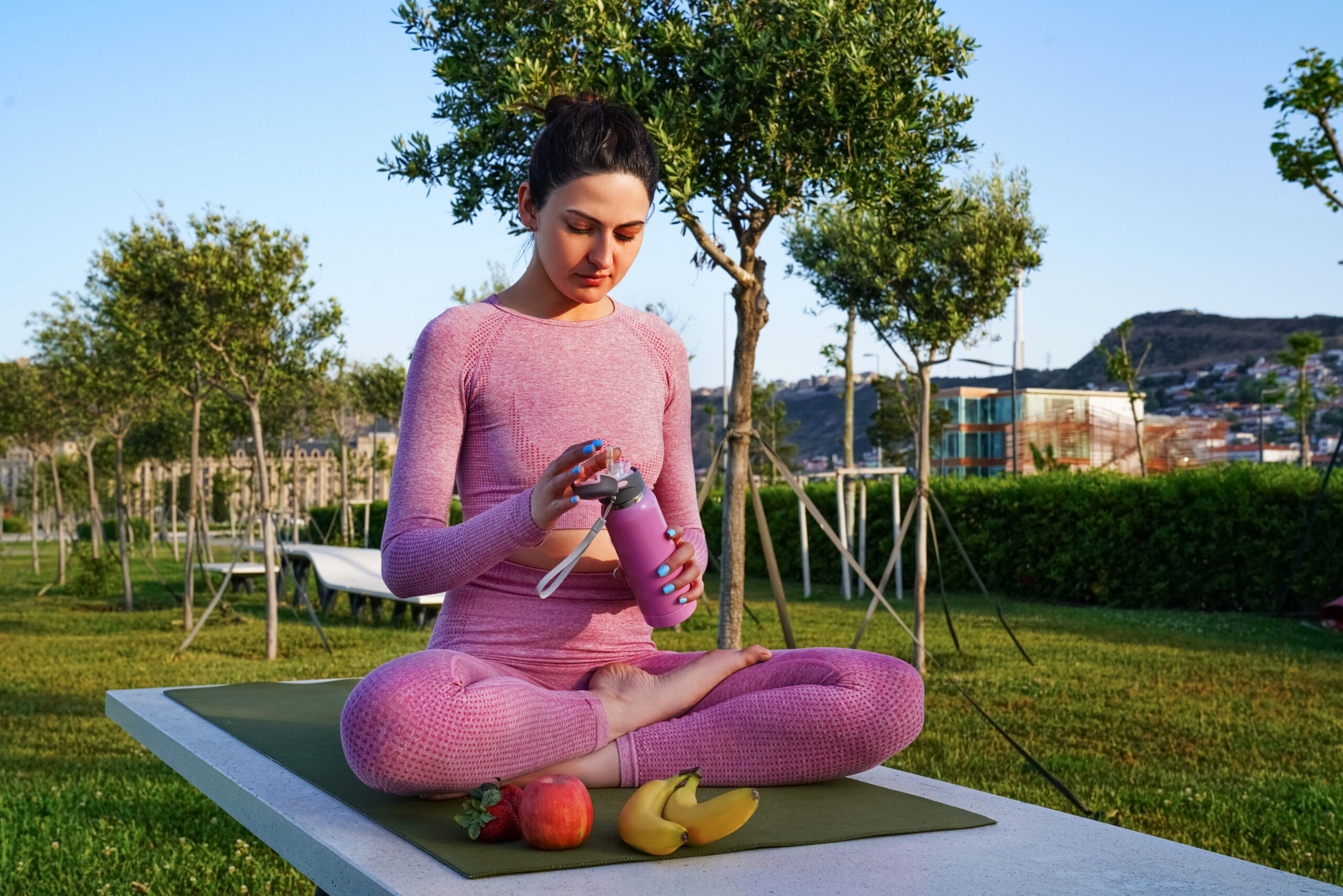
Exercise is no longer viewed as a punishment for eating or a race to burn calories. In holistic wellness, movement is a form of communication with the body. Gentle stretching, walking, yoga, or functional strength training help circulation, joint health, and mental clarity.
Overtraining and extreme fitness routines often increase inflammation and cortisol levels. Sustainable movement supports longevity, flexibility, and daily energy rather than exhaustion. When movement feels supportive instead of forced, people stay consistent without burnout.
Sleep: The Foundation Most Diets Ignore
Sleep is one of the most powerful healing tools available, yet it is often sacrificed in modern life. Poor sleep disrupts hormones related to hunger, stress, and immunity. No diet plan can compensate for chronic sleep deprivation.
Holistic routines prioritize sleep hygiene, consistent schedules, and calming environments. When sleep improves, digestion stabilizes, cravings reduce naturally, and mental focus increases. Healing accelerates because the body finally has time to repair itself.
Why Consistency Beats Intensity
One reason holistic wellness is dominating 2026 trends is its realism. You don’t need perfection; you need repetition. A calm morning practiced daily is more powerful than an intense detox once a year. Gentle habits repeated over time reshape the body’s baseline state.
This approach removes pressure and builds self-trust. People stop feeling like they are constantly failing at health and start feeling supported by their routines.
The Future of Wellness Is Personal
Health is no longer one-size-fits-all. What works for one person may not work for another, and holistic wellness respects that individuality. Instead of copying trends, people are learning to listen to their own bodies.
As awareness grows, holistic health routines 2026 are becoming less about following rules and more about building a lifestyle that feels nourishing, sustainable, and aligned. Healing daily habits don’t just improve physical health—they create emotional stability, mental clarity, and a deeper connection with oneself.
Final Thoughts
Diet plans may promise fast results, but daily habits create lasting transformation. True health is built in ordinary moments—how you breathe, rest, move, and respond to life’s pressures. In 2026, wellness is no longer about control or restriction. It’s about consistency, compassion, and conscious living. When daily routines support the whole person, healing becomes a natural outcome rather than a constant struggle.