
Living in a fast-paced Indian metropolis offers incredible career growth, cultural diversity, and dynamic energy, but it often comes with a heavy environmental footprint. From choked traffic corridors to mounting urban waste, modern urban landscapes present unique ecological challenges. However, adopting an eco-conscious lifestyle does not require overhauling your entire life overnight. By making small, mindful adjustments to your daily routine, you can significantly shrink your ecological impact.
At Greenu, we believe that urban sustainability begins at home with simple, practical habits. Whether you reside in a high-rise apartment in Mumbai, a builder floor in Delhi, or a tech corridor in Bengaluru, here is your comprehensive guide on how to live sustainably in Indian cities without sacrificing modern convenience.
1. Rethinking Waste Management at Home
Urban India generates millions of tons of municipal solid waste daily, much of which ends up in overflowing landfills. Transforming how you handle household refuse is the most immediate step toward eco-friendly living.
-
Segregation at Source: Separate your garbage into dry waste (plastics, paper, metal), wet waste (kitchen scraps), and hazardous waste (batteries, medical waste, electronics).
-
Composting Organic Waste: If you have a balcony or a small patch of garden, invest in an aerobic compost bin. Kitchen vegetable peels, tea leaves, and fruit scraps turn into nutrient-rich soil for your plants instead of rotting in landfills.
-
Refusing Single-Use Plastics: Carry cloth bags (jholas), stainless steel water bottles, and reusable cutlery wherever you go to avoid taking plastic bags and straws from local vendors.
2. Conserving Energy and Water in High-Rise Living
With extreme seasonal shifts, urban energy and water grids face massive stress. Simple lifestyle tweaks can drastically lower your utility bills and conserve vital natural resources.
-
Smart Energy Habits: Switch entirely to LED lighting, unplug appliances when not in use, and make the most of natural ventilation during cooler months. If you use air conditioning, set the thermostat to an optimized 24°C to 26°C.
-
Harnessing Solar Power: If permitted by your residential society, look into installing rooftop solar water heaters or small balcony solar setups.
-
Water Saving Fixes: Check all taps and pipes for leaks. Install aerators on kitchen and bathroom faucets to reduce water flow by up to 50% without compromising water pressure. Reuse RO wastewater for mopping floors or watering hardy balcony plants.
3. Embracing Eco-Friendly Urban Mobility
Transportation is one of the leading contributors to urban air pollution. Rethinking your daily commute is vital when figuring out how to live sustainably in Indian cities.
-
Leverage Public Transit: Make the most of metro networks, local electric trains, and city bus systems. They save you from peak-hour gridlock while heavily cutting down per-capita carbon emissions.
-
Carpooling and Ridesharing: Connect with colleagues or neighbors heading in the same direction to split fuel consumption and reduce vehicular density on roads.
-
Active Commuting: For short errands, switch to walking or cycling. It keeps you healthy while keeping zero emissions on the asphalt.
4. Conscious Consumption and Local Sourcing
What we buy dictates what industries produce. Shifting toward localized, ethical, and sustainable purchasing habits supports local artisans and reduces supply chain emissions.
-
Support Local Markets: Buy your fresh fruits, vegetables, and staples from neighborhood mandis or local vendors instead of heavily packaged supermarket goods. This cuts down on single-use plastic wrapping and supports the local agrarian economy.
-
Adopt Minimalist Fashion: Fast fashion generates massive textile waste. Opt for timeless, durable clothing made from breathable, sustainable natural fabrics like organic cotton, linen, jute, or handloom textiles.
-
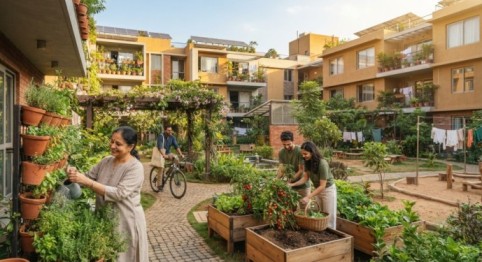
Grow Your Own Greens: Cultivating microgreens, herbs, or seasonal vegetables on your windowsill or balcony brings fresh, pesticide-free nutrition directly to your plate while reconnecting you with nature.
Frequently Asked Questions (FAQs)
Q1: Is sustainable living expensive in Indian cities?
A: Not at all. While specialized eco-friendly gadgets can carry a premium, true sustainability often saves money. Reducing electricity consumption, minimizing food waste, avoiding single-use plastics, and buying local produce significantly lower monthly household expenses.
Q2: How can I practice sustainability living in a small apartment?
A: Small spaces are perfect for compact eco-habits. You can use small countertop compost bins, set up vertical gardens or balcony microgreen trays, use multi-purpose non-toxic cleaning agents like vinegar and baking soda, and maximize natural light to cut down indoor power usage.
Q3: What is the easiest way to start reducing plastic waste daily?
A: Start by eliminating the “big four” single-use plastics: carry your own cloth grocery bag, keep a steel water bottle with you, refuse plastic straws, and pack a reusable coffee mug or tiffin box if you frequently order takeouts or street food.