
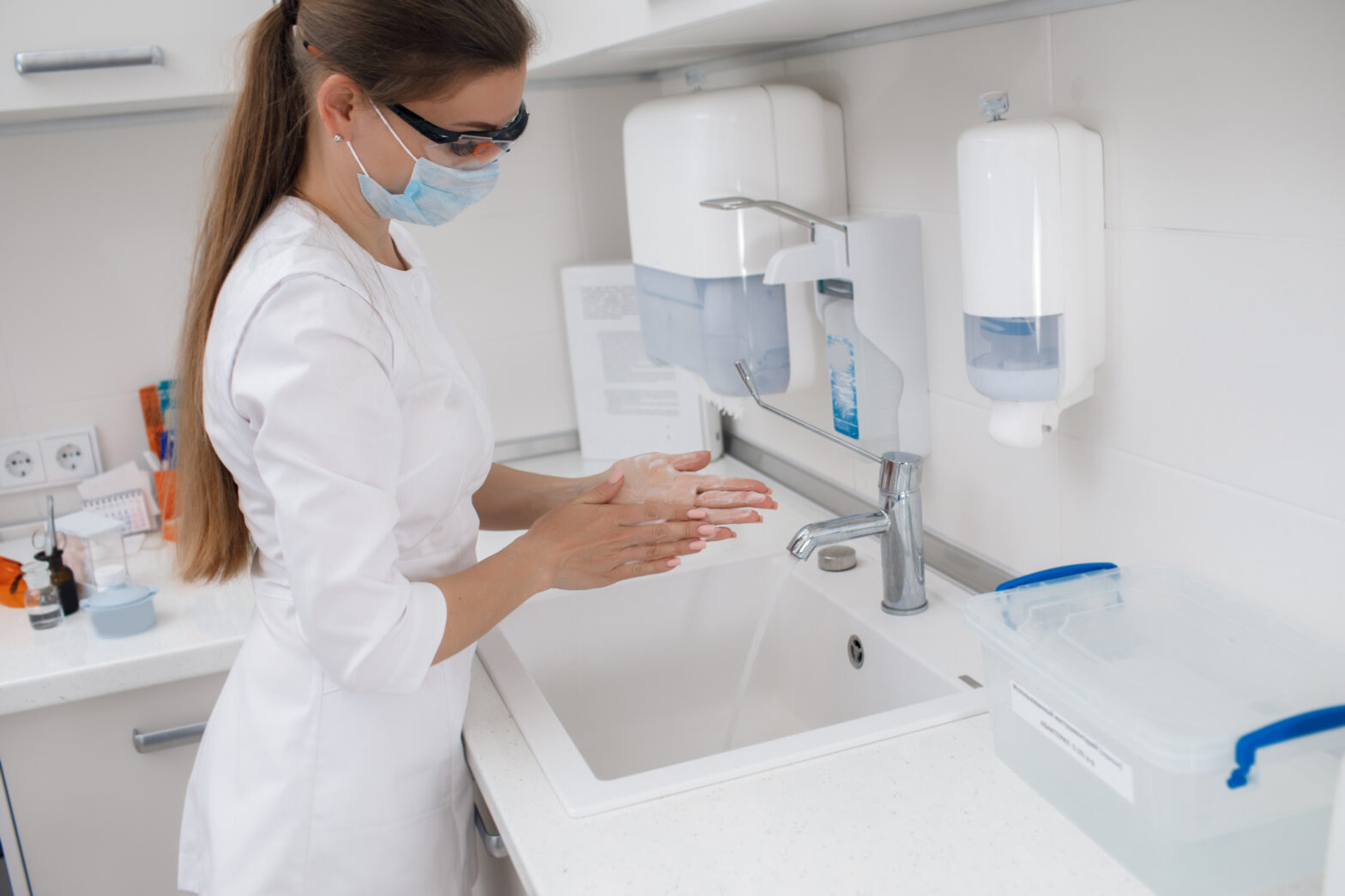
Many health problems don’t arrive with loud warnings. They build quietly, showing up only when damage has already been done. One of the biggest reasons behind these “silent” illnesses is poor daily hygiene—not extreme neglect, but small habits we overlook or underestimate. Understanding the importance of hygiene goes far beyond staying clean; it’s about protecting the body from unseen threats that grow over time.
In today’s fast-paced lifestyle, hygiene is often reduced to quick showers and handwashing. But the truth is deeper and far more impactful.
How Hidden Diseases Start Without Notice
Hidden diseases are conditions that develop slowly and often without immediate symptoms. Skin infections, digestive disorders, fungal growth, respiratory issues, and even hormonal imbalances can be triggered or worsened by poor hygiene practices.
Bacteria and viruses thrive in warm, moist environments. When hygiene routines are rushed or skipped, these microorganisms gain the opportunity to multiply. What begins as mild discomfort—itching skin, bad breath, frequent fatigue—can later turn into chronic illness.
People often ignore these early signs, assuming they are temporary. Unfortunately, by the time symptoms become obvious, treatment becomes more complex.
Daily Hygiene Habits That Are Commonly Ignored
Most people believe they maintain good hygiene, yet many critical areas are overlooked. Simple actions like not washing hands properly after touching shared surfaces, reusing unclean towels, or neglecting oral hygiene before bed can create long-term health issues.
Personal items such as mobile phones, pillow covers, and even water bottles carry harmful germs when not cleaned regularly. Over time, these invisible contaminants enter the body through the mouth, nose, or skin.
Recognizing the importance of hygiene in everyday habits helps reduce exposure to these risks before they turn serious.
The Link Between Hygiene and Internal Health
Hygiene doesn’t only affect the outer body—it directly impacts internal systems. Poor oral hygiene, for example, allows bacteria to enter the bloodstream, increasing the risk of heart problems and diabetes complications.
Similarly, unclean food preparation surfaces and improper handwashing can lead to gut infections. These infections often remain untreated because symptoms appear mild at first, such as bloating or indigestion, but can later damage digestive health.
Clean habits support the immune system, allowing the body to fight infections naturally instead of constantly reacting to preventable problems.
Mental and Emotional Effects of Poor Hygiene
Hygiene also influences mental well-being. Persistent infections, skin issues, or body odor can reduce self-confidence and increase stress. Over time, this stress weakens immunity, creating a cycle where the body becomes more vulnerable to illness.
Maintaining cleanliness provides psychological comfort. Feeling clean improves focus, mood, and social confidence. These emotional benefits indirectly support physical health by reducing anxiety-related hormonal imbalances.
This connection further highlights the importance of hygiene as a foundation for overall wellness, not just disease prevention.
Why Hidden Diseases Are More Common Today
Modern lifestyles have increased exposure to pollutants, processed foods, and shared public spaces. At the same time, people rely heavily on quick fixes like sanitizers instead of thorough cleaning.
Additionally, excessive screen use and long work hours reduce attention to personal care. Small hygiene shortcuts taken daily accumulate into bigger health risks over time.
Awareness is the first step. When people understand how small habits influence long-term health, they become more mindful and proactive.

Simple Hygiene Practices That Truly Protect Health
Effective hygiene doesn’t require complicated routines. It requires consistency and awareness. Washing hands correctly, cleaning personal items regularly, maintaining oral care, and ensuring clean food handling can significantly reduce disease risk.
Bathing should focus on areas where sweat and bacteria collect, while clothes and bedding should be washed frequently to prevent microbial buildup. These actions may seem basic, but they play a powerful role in disease prevention.
When practiced consistently, these habits create a protective barrier against infections that otherwise remain unnoticed.
Hygiene as Preventive Healthcare
Healthcare isn’t only about hospitals and medicines—it starts at home. Hygiene is one of the most affordable and effective forms of preventive care. By maintaining cleanliness, individuals reduce medical expenses, missed workdays, and long-term health complications.
Preventing disease is always easier than curing it. Clean habits act as a silent shield, protecting the body every single day without effort or cost.
Understanding hygiene as prevention changes how people approach their daily routines and long-term health goals.
Final Thoughts
Hidden diseases often grow quietly, fed by habits we believe are harmless. Cleanliness is not about perfection—it’s about awareness and consistency. When hygiene becomes a priority rather than an afterthought, the body responds with stronger immunity, better mental clarity, and improved overall health.
By respecting the role hygiene plays in daily life, people can protect themselves from illnesses they might otherwise ignore—until it’s too late.