
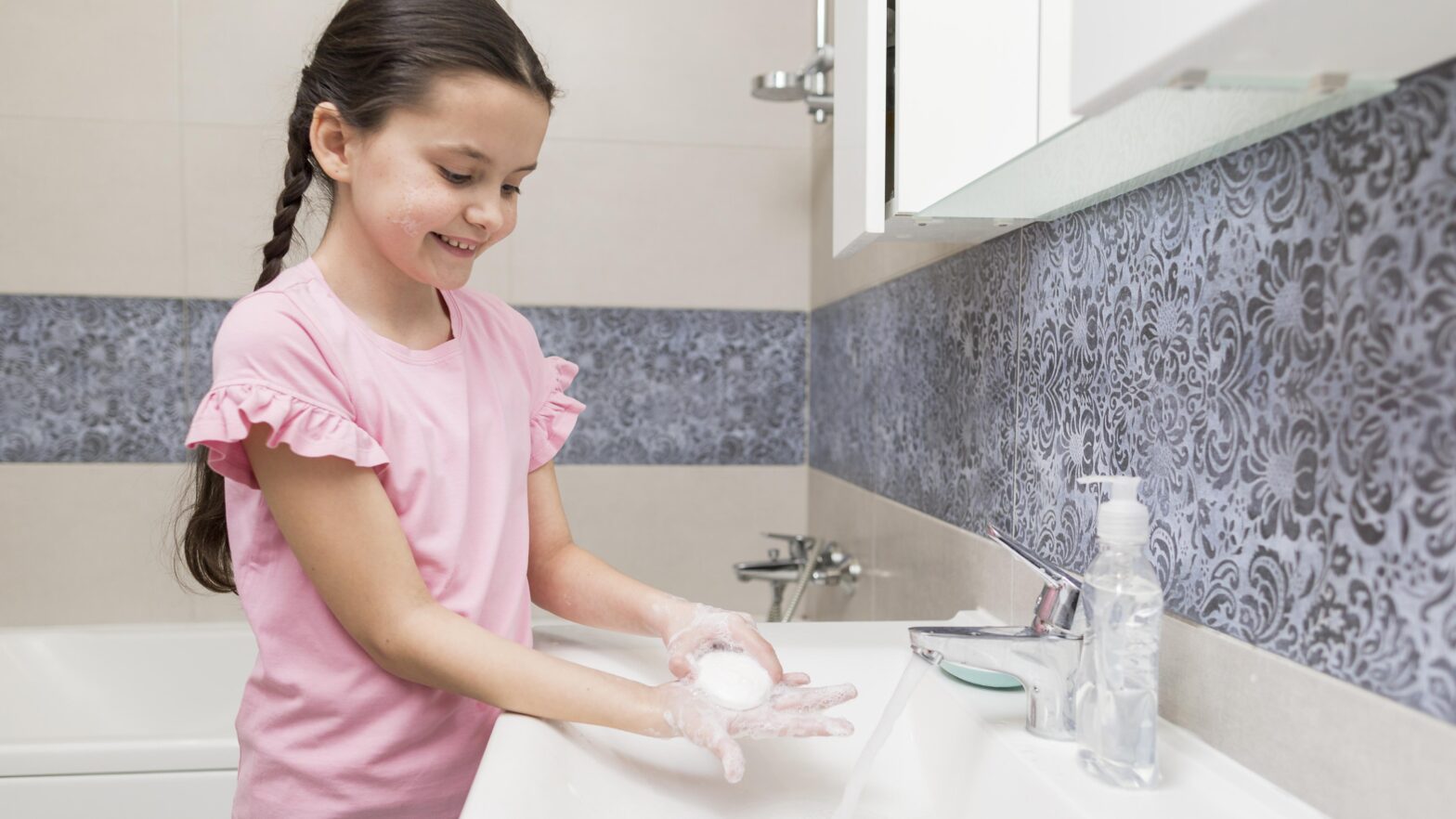
Student life is a phase of rapid growth, learning, and daily interaction with others. From classrooms and playgrounds to libraries and public transport, students are constantly exposed to germs. Maintaining good hygiene is not just about looking clean; it directly impacts physical health, mental focus, and overall confidence. When hygiene becomes a daily habit early in life, it helps students build a strong foundation for lifelong wellness. Understanding the Importance of hygiene for students allows young learners to protect themselves from illness while performing better academically and socially.
How Hygiene Affects Physical Health in Students
Good hygiene plays a vital role in preventing common infections such as colds, flu, stomach problems, and skin conditions. Students often share desks, stationery, sports equipment, and food spaces, making the spread of germs easy. Regular handwashing, bathing, and clean clothing reduce the risk of bacteria and viruses entering the body. When students stay healthier, their immune systems become stronger, leading to fewer sick days and faster recovery when illness occurs. A healthy body allows students to participate actively in studies, sports, and extracurricular activities without constant health interruptions.
Hygiene and Its Impact on Academic Performance
Health and learning are closely connected. When students fall sick frequently, their attendance drops, concentration weakens, and learning gaps appear. Poor hygiene can lead to fatigue, headaches, and infections that make it difficult to focus in class. Clean habits help students stay energized and alert throughout the day. Simple routines like brushing teeth twice daily, keeping nails trimmed, and wearing clean uniforms contribute to overall comfort and confidence in school. By understanding the Importance of hygiene for students, parents and educators can help learners achieve consistent academic performance without unnecessary health setbacks.
Mental Well-Being and Confidence Through Clean Habits
Hygiene also influences mental health and self-esteem. Students who feel clean and fresh are more confident in interacting with teachers and peers. Poor hygiene may lead to embarrassment, teasing, or social isolation, which can affect emotional well-being. Cleanliness encourages positive self-image and helps students feel comfortable expressing themselves. A hygienic routine promotes discipline and responsibility, teaching students to care for their bodies and surroundings. These habits not only reduce stress but also help students develop a sense of control and self-respect.
Personal Hygiene at School and Home
Maintaining hygiene requires consistency both at school and at home. Students should develop habits such as washing hands before meals, after using the restroom, and after outdoor activities. Bathing regularly removes sweat and dirt that can cause skin infections. Clean hair, fresh clothes, and oral hygiene prevent discomfort and health issues. Keeping school bags, books, and lunch boxes clean also reduces germ exposure. Parents and teachers play an important role in guiding students toward these routines and reinforcing them daily without making hygiene feel like a burden.
Environmental Hygiene and Its Role in Student Health
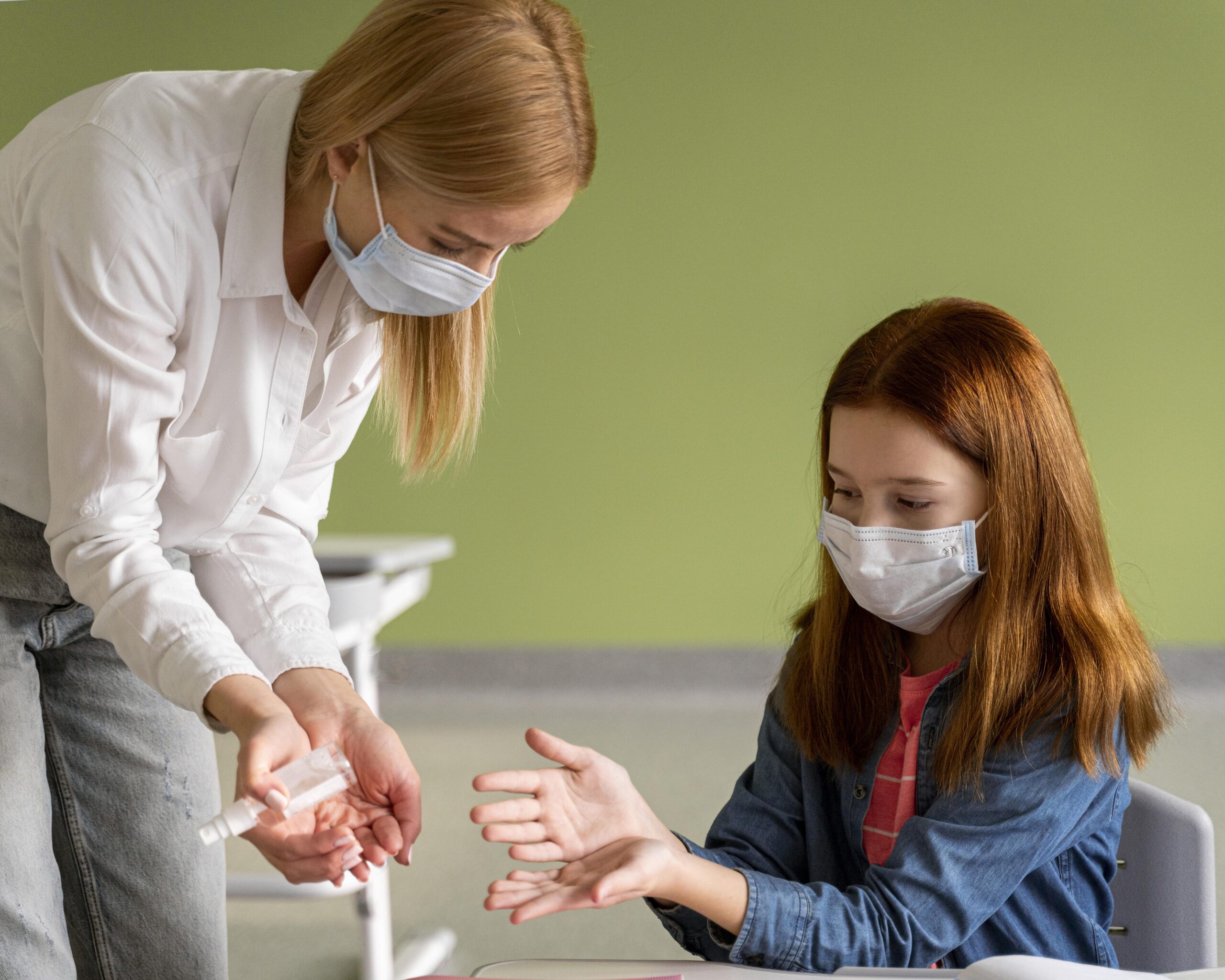
A clean environment supports personal hygiene. Classrooms, washrooms, and playgrounds must be kept clean to reduce the spread of infections. Students should be encouraged to throw waste in bins, avoid spitting, and keep their surroundings tidy. Clean desks and proper ventilation improve air quality and reduce allergies and respiratory problems. Learning to respect shared spaces teaches students social responsibility. When environmental cleanliness is prioritized, students feel safer and more comfortable in their learning spaces.
Long-Term Benefits of Practicing Hygiene Early
Habits formed during student life often continue into adulthood. When hygiene becomes part of daily routine, students grow into healthier and more responsible individuals. Clean habits reduce long-term health risks and medical expenses. They also promote discipline, time management, and self-care awareness. Students who understand hygiene early are better prepared to handle public spaces, workplaces, and social environments later in life. Recognizing the Importance of hygiene for students helps shape a generation that values health, cleanliness, and personal responsibility.
Role of Schools and Parents in Hygiene Education
Schools and parents share the responsibility of teaching hygiene effectively. Schools can include hygiene awareness programs, clean washroom facilities, and regular health check-ups. Parents can model good hygiene practices at home and gently correct unhealthy habits. Encouragement works better than force, especially for younger students. When adults lead by example, students naturally follow. Open discussions about cleanliness help remove hesitation and build understanding instead of fear or shame.
Conclusion: Hygiene as a Foundation for Student Success
Hygiene is not just a daily routine; it is a life skill that supports physical health, mental confidence, and academic success. When students practice cleanliness consistently, they experience fewer illnesses, better focus, and stronger self-esteem. Schools, parents, and students must work together to make hygiene a natural part of everyday life. By prioritizing cleanliness today, students can build a healthier, more confident, and successful future.