
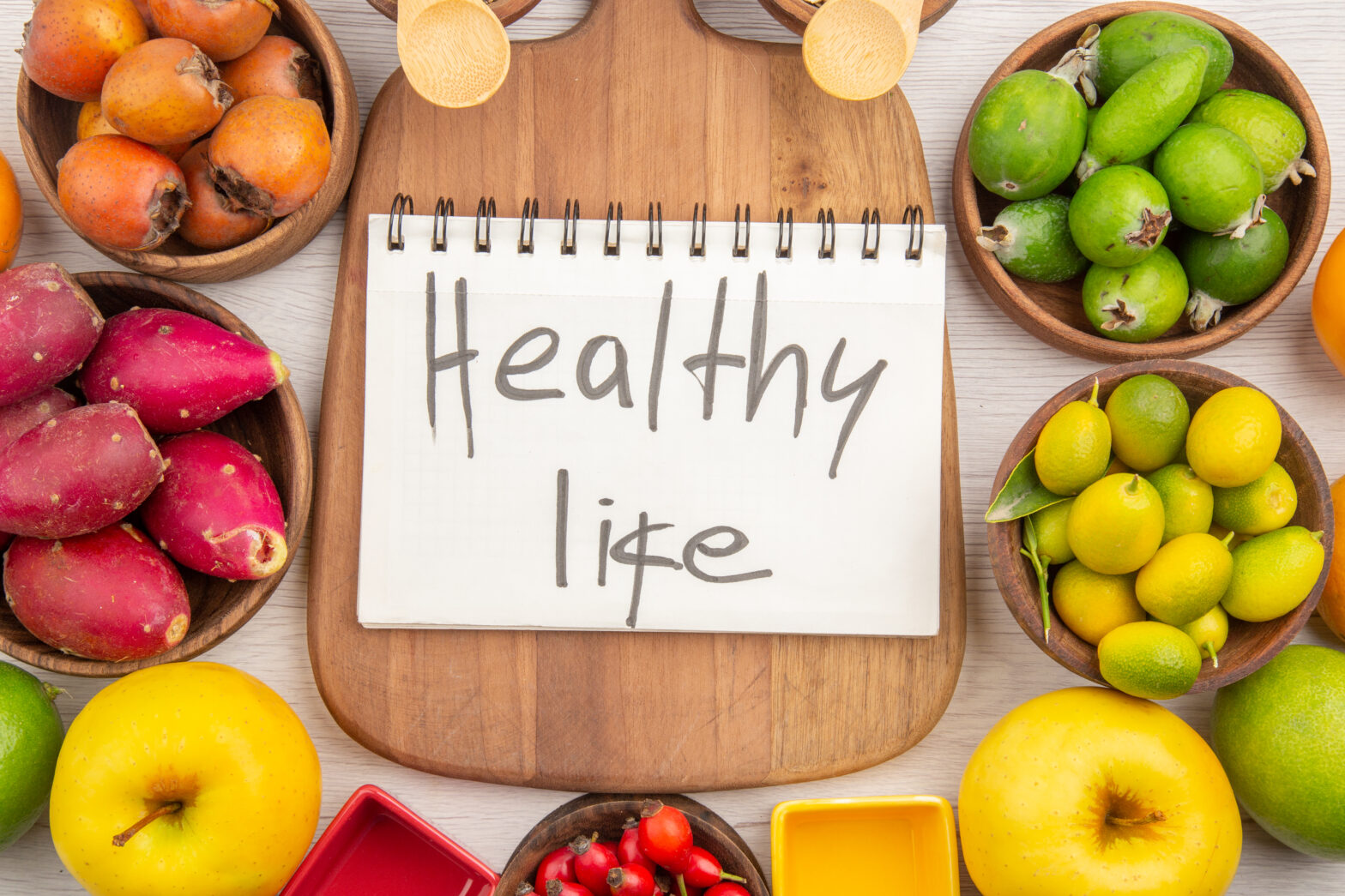
The idea of a healthy lifestyle is changing faster than ever. In the past, wellness mostly meant eating clean food, exercising regularly, and avoiding stress as much as possible. Today, health has become more personal, more realistic, and deeply connected to how people live, work, and think every day. As we step into a new era, lifestyle wellness trends 2026 are redefining what it truly means to be well in a modern world.
Rather than chasing perfection, people are now focusing on balance, emotional stability, sustainable habits, and long-term well-being. Wellness is no longer a luxury or a short-term goal; it has become a daily lifestyle choice shaped by technology, self-awareness, and conscious living.
Wellness Becomes Personal, Not Universal
One of the biggest changes in modern wellness is personalization. People are moving away from one-size-fits-all health advice and embracing routines that suit their bodies, schedules, and mental needs. What works for one person may not work for another, and this understanding is becoming widely accepted.
Individuals are learning to listen to their bodies instead of blindly following trends. Sleep patterns, food preferences, stress triggers, and energy levels are being considered while designing daily routines. This personalized approach helps people stay consistent without feeling pressured or guilty when they cannot follow extreme wellness rules.
In 2026, wellness is about building habits that fit into real life rather than forcing life to revolve around wellness.
Mental Health as a Daily Priority
Mental well-being is no longer treated as a separate topic or something discussed only during difficult times. It has become an essential part of everyday health. People are openly acknowledging stress, burnout, and emotional exhaustion, especially in fast-paced digital environments.
Daily mental care practices such as mindful breathing, digital detox hours, journaling, and emotional check-ins are becoming common. Instead of ignoring mental fatigue, people are learning to pause, reflect, and reset before stress turns into serious health problems.
The modern lifestyle recognizes that mental clarity directly affects physical health, relationships, productivity, and overall life satisfaction.
Slow Living in a Fast World
As technology continues to accelerate life, many people are intentionally slowing down. Slow living does not mean being unproductive; it means being present and intentional. This shift encourages people to enjoy meals without distractions, take mindful walks, and create space for rest without guilt.
Work-life boundaries are being redefined as individuals prioritize quality over quantity. Rest is no longer seen as laziness but as a necessary part of sustainable living. This mindset is a key part of lifestyle wellness trends 2026, where balance matters more than constant hustle.
By slowing down, people experience better focus, reduced anxiety, and a stronger connection to their surroundings.
Wellness Technology That Supports, Not Controls
Technology has become a powerful wellness companion when used wisely. Instead of overwhelming users with constant alerts, modern wellness tools aim to support healthy behavior gently. Apps that track sleep, movement, hydration, and mood are becoming more intuitive and less intrusive.
The focus is shifting from obsessive tracking to awareness. People are using technology to understand patterns rather than chase numbers. This healthier relationship with digital tools helps individuals make informed choices without stress or dependency.
Wellness technology in 2026 respects human limits and encourages self-care instead of perfection.
Nutrition Focused on Longevity and Gut Health
Food is no longer viewed only as fuel or a way to manage weight. Nutrition is now deeply connected to longevity, immunity, digestion, and mental health. People are paying attention to how food makes them feel rather than following restrictive diets.
Gut health has become a central focus, with individuals choosing foods that support digestion and long-term wellness. Simple, nourishing meals prepared at home are gaining popularity over complicated diet plans.
This approach to nutrition promotes consistency, enjoyment, and sustainability, making healthy eating a natural part of everyday life rather than a temporary challenge.
Movement That Feels Natural and Enjoyable
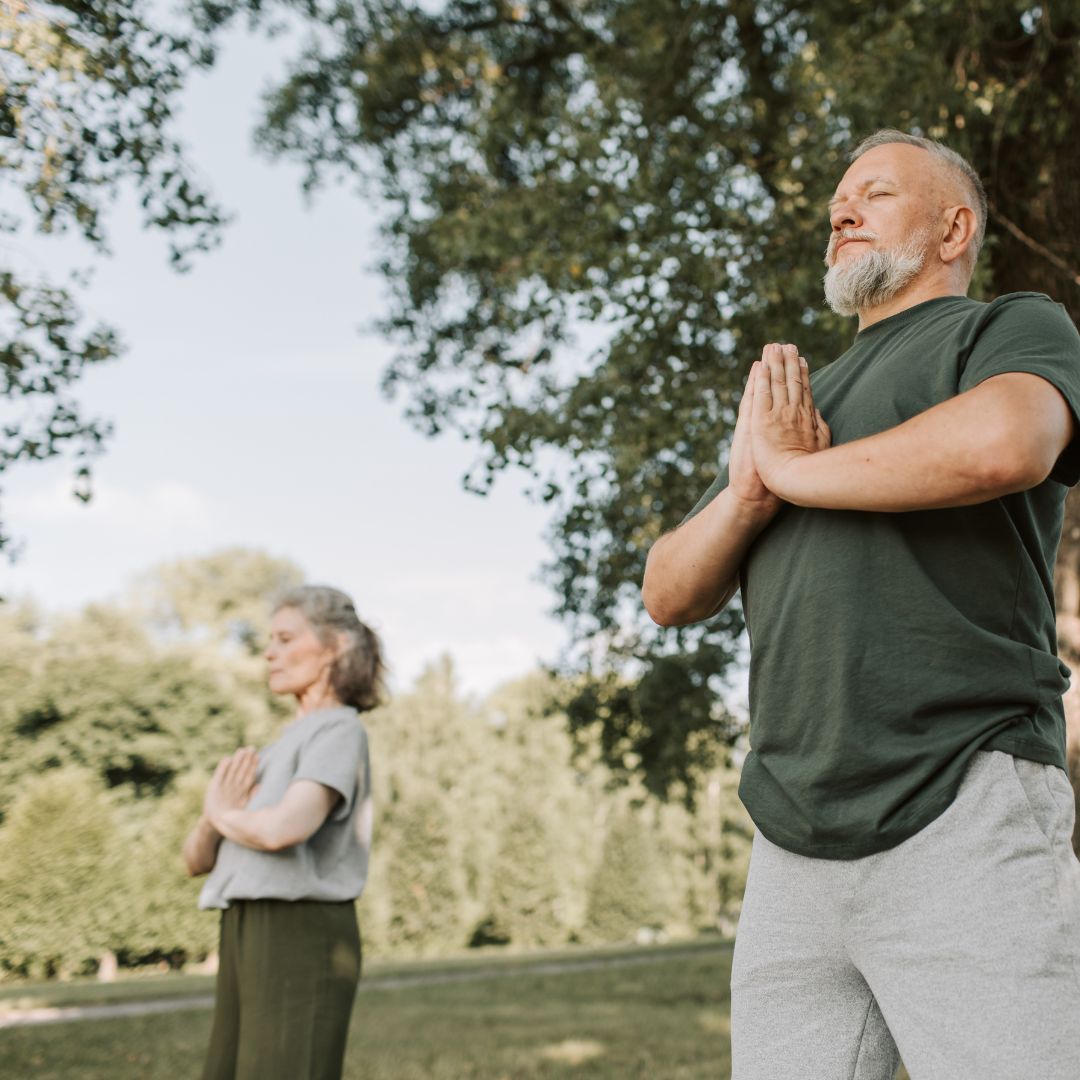
Exercise is no longer limited to intense gym workouts. People are embracing movement that feels enjoyable and fits their lifestyle. Walking, stretching, yoga, mobility exercises, and functional training are becoming more popular than rigid fitness routines.
The goal is not punishment but pleasure and strength. Movement is seen as a way to release stress, improve flexibility, and maintain energy rather than achieve unrealistic body standards.
This mindset supports long-term consistency and reduces the risk of burnout or injury, making physical activity more accessible to everyone.
Community and Social Wellness Matter More Than Ever
Human connection plays a crucial role in overall well-being. In an increasingly digital world, people are recognizing the importance of meaningful relationships and supportive communities. Social wellness includes spending time with loved ones, engaging in shared activities, and feeling a sense of belonging.
Communities focused on wellness, creativity, learning, or shared values are helping individuals feel less isolated. Emotional support and genuine conversations are becoming as important as physical health practices.
These connections strengthen mental resilience and contribute significantly to a balanced lifestyle.
A Holistic View of Health for the Future
The future of wellness is not about chasing trends but about understanding oneself better. Lifestyle wellness trends 2026 emphasize harmony between body, mind, environment, and emotions. Health is no longer defined by appearance or rigid routines but by how balanced and fulfilled a person feels.
This holistic approach encourages self-respect, patience, and adaptability. Wellness is becoming a lifelong journey rather than a short-term goal, allowing individuals to evolve with changing needs and circumstances.
As people continue to redefine health, the focus remains clear: sustainable habits, emotional awareness, and a lifestyle that supports long-term well-being.