
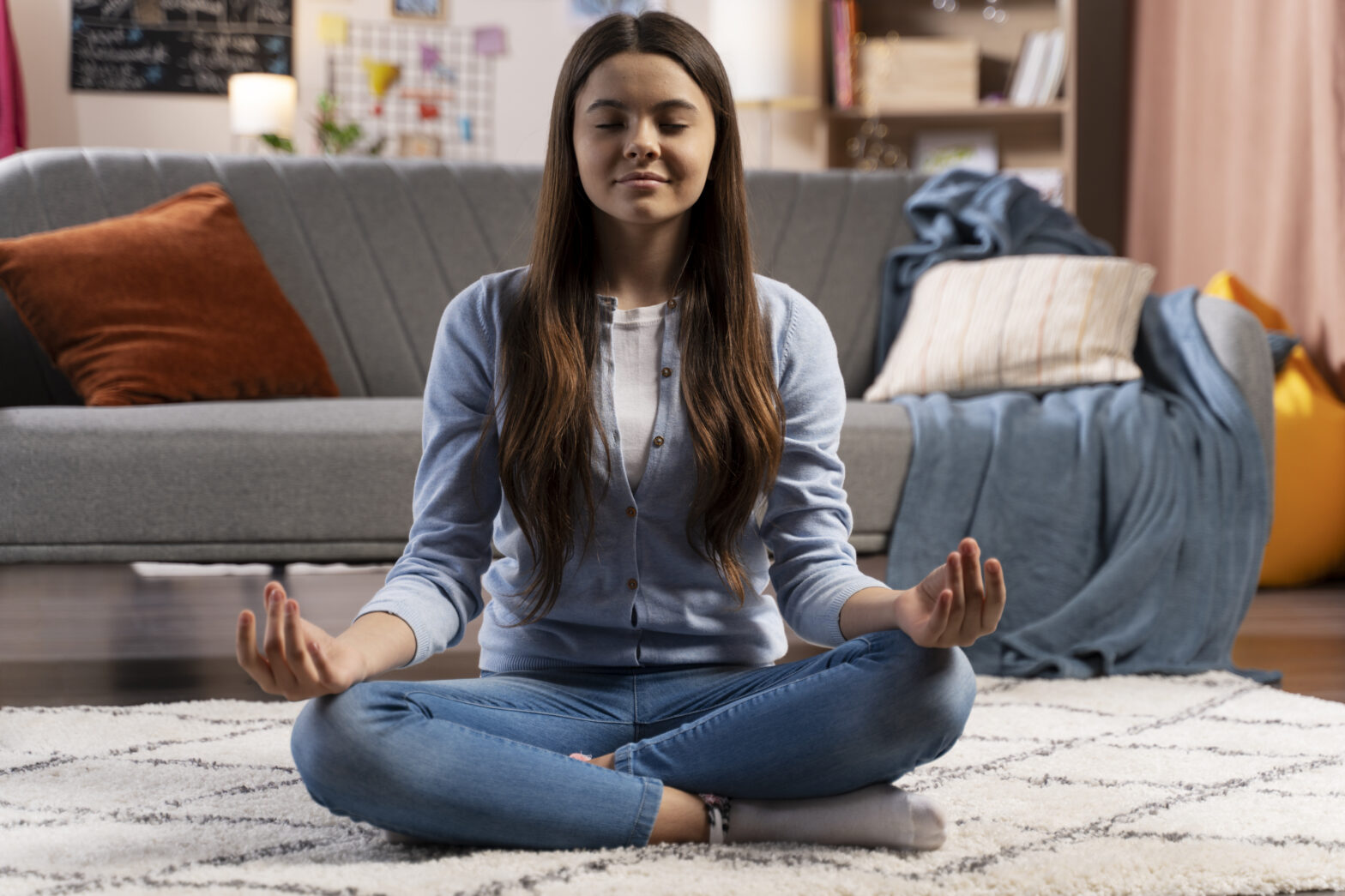
In recent years, the way people approach mental health has undergone a quiet but powerful transformation. Instead of relying only on traditional stress therapies such as medication or intensive counseling, many individuals are turning inward. Practices rooted in mindfulness, awareness, and controlled breathing are becoming everyday tools for emotional balance. Meditation techniques for mental wellness are now seen not as an alternative, but as a primary solution for managing stress, anxiety, and mental fatigue in modern life.
This shift is not driven by trends alone. It reflects a deeper understanding of how the mind responds to pressure and how simple, consistent practices can restore inner stability without overwhelming the body or the mind.
The Changing Nature of Stress in Modern Life
Stress today looks very different from stress a few decades ago. Constant notifications, work-from-home pressures, social comparison, and information overload have created a state of mental overstimulation. Traditional stress therapies often focus on treating symptoms after stress has already taken a toll. While these methods can be effective, they sometimes fail to address the ongoing mental noise that people experience daily.
Meditation, on the other hand, works at the source. It helps individuals observe their thoughts instead of reacting to them. This shift from reaction to awareness reduces the intensity of stress before it becomes overwhelming, making meditation a preventive practice rather than a corrective one.
Why People Are Moving Away from Conventional Stress Therapies
Traditional stress therapies often require scheduled appointments, long-term commitments, or dependency on external guidance. For many people, this approach feels restrictive or intimidating. Some individuals also experience side effects from stress-related medications or feel uncomfortable discussing personal struggles openly.
Meditation offers a sense of autonomy. It allows people to manage their mental health privately, at their own pace, and in their own space. This sense of control is empowering and plays a significant role in why more people are choosing meditation as their first line of mental care rather than a last resort.
How Meditation Supports Mental Wellness Naturally
Meditation trains the mind to slow down without forcing it. By focusing on the breath, bodily sensations, or present awareness, the nervous system begins to relax naturally. Heart rate stabilizes, muscle tension eases, and mental clarity improves.
Over time, regular meditation strengthens emotional resilience. Instead of suppressing emotions, individuals learn to process them calmly. This emotional intelligence reduces impulsive reactions, improves decision-making, and enhances overall mental balance. Unlike some traditional therapies that focus on problem-solving, meditation cultivates acceptance, which often leads to deeper and more lasting healing.
Scientific Validation Behind Meditation Practices
What was once considered a spiritual or philosophical practice is now backed by scientific research. Studies have shown that meditation can positively influence brain structure by increasing gray matter density in areas related to memory, empathy, and emotional regulation. It also helps lower cortisol levels, the hormone responsible for stress.
As neuroscience continues to explore the brain’s adaptability, meditation is increasingly recognized as a mental training method. This growing scientific support has helped meditation techniques for mental wellness gain credibility among healthcare professionals and mental health advocates worldwide.
Accessibility and Flexibility Make Meditation More Appealing
One of the strongest reasons meditation is replacing traditional stress therapies is accessibility. Meditation does not require expensive equipment, long sessions, or special environments. Even a few minutes of mindful breathing can create noticeable mental relief.
People can practice meditation early in the morning, during work breaks, or before sleep. This flexibility makes it easier to integrate into daily routines, especially for individuals who struggle to commit time to conventional therapy sessions. The simplicity of meditation removes barriers that often prevent people from prioritizing their mental health.
Emotional Self-Awareness and Long-Term Benefits
Traditional therapies often focus on addressing specific issues such as anxiety or depression. Meditation, however, builds a long-term relationship with the mind. Through consistent practice, individuals become more aware of emotional patterns, triggers, and habits.
This awareness leads to better emotional regulation and improved relationships. People who meditate regularly often report increased patience, better focus, and a stronger sense of inner peace. These benefits extend beyond stress relief and positively influence personal and professional life.
Meditation as a Complement, Not a Replacement
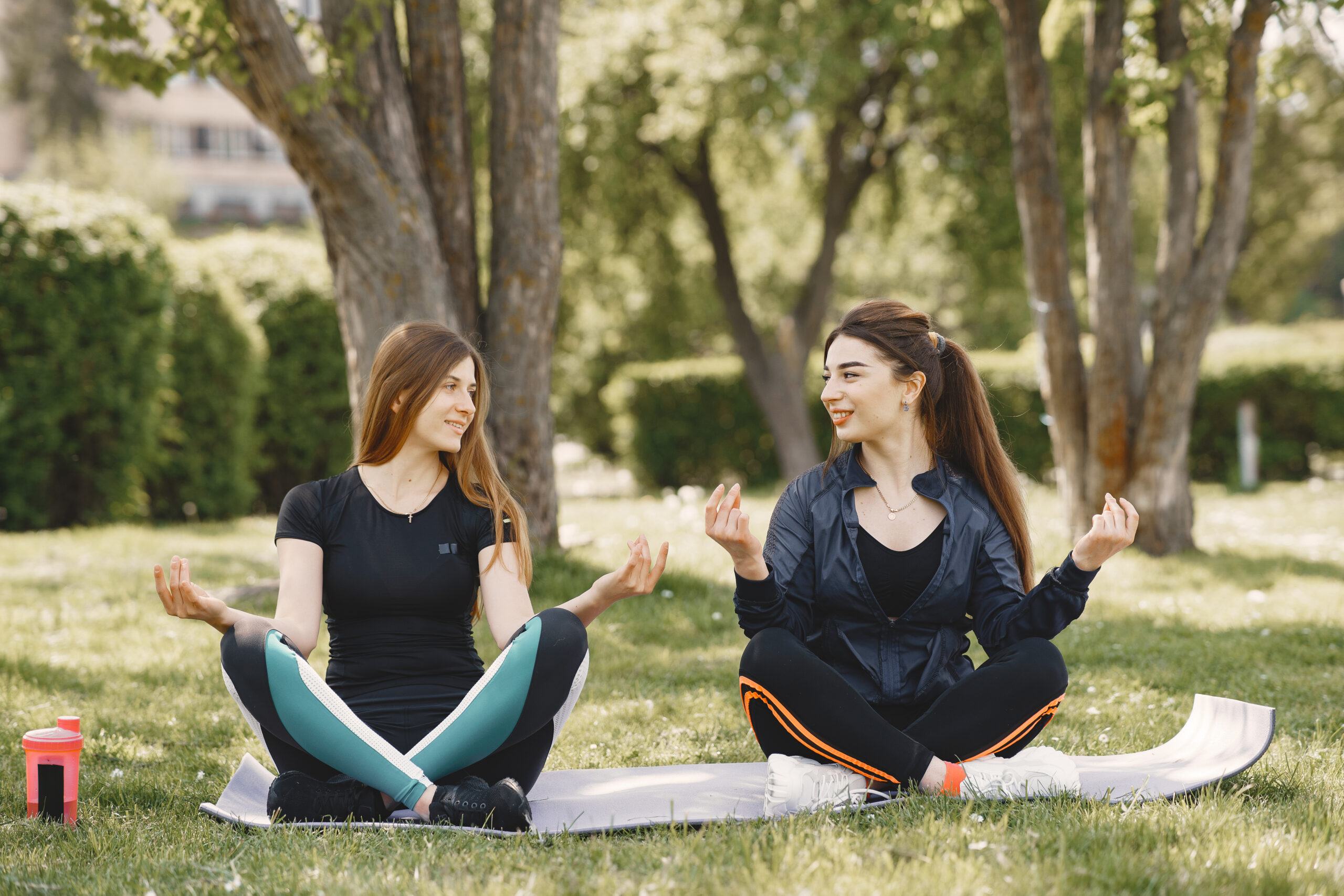
While meditation is gaining popularity, it does not necessarily eliminate the need for traditional stress therapies in all cases. Instead, it often complements them. Many individuals find that meditation enhances the effectiveness of counseling or therapy by improving focus and emotional openness.
The key difference is that meditation empowers individuals to participate actively in their own mental well-being. Rather than relying solely on external solutions, people develop internal skills that support lifelong mental health.
The Future of Mental Wellness Practices
As awareness grows and mental health conversations become more open, meditation is expected to play an even larger role in wellness routines. Schools, workplaces, and healthcare systems are beginning to recognize its value as a foundational mental health practice.
The future points toward a balanced approach where self-awareness, mindfulness, and emotional resilience are prioritized alongside professional support. Meditation techniques for mental wellness are no longer viewed as optional practices but as essential tools for navigating the complexities of modern life.
Conclusion
The rise of meditation reflects a broader shift in how people understand mental health. Instead of reacting to stress after it causes damage, individuals are learning to prevent it through awareness and inner calm. Meditation offers simplicity, accessibility, and long-term benefits that align perfectly with today’s fast-paced world.
As more people experience the mental clarity and emotional stability that meditation provides, its role in mental wellness will continue to grow. In a world full of noise, meditation offers something rare and powerful: the ability to find peace within.