
In the rapidly evolving wellness landscape of 2026, the term “superfood” has moved from a marketing buzzword to a scientific necessity. As residents of Chandigarh, Mohali, and Panchkula become more discerning about their health bio-markers, the debate between microgreens and sprouts has reached a fever pitch.
While they may look similar to the untrained eye, the difference between these two “living foods” is the difference between a basic supplement and a medical-grade nutritional powerhouse. At Greenu, we’ve spent years perfecting the art of the harvest to ensure that what reaches your table is not just food—it’s functional medicine.
1. The Fundamental Difference: It’s All in the Growth
To understand why microgreens are winning the 2026 health race, we must look at how they grow.
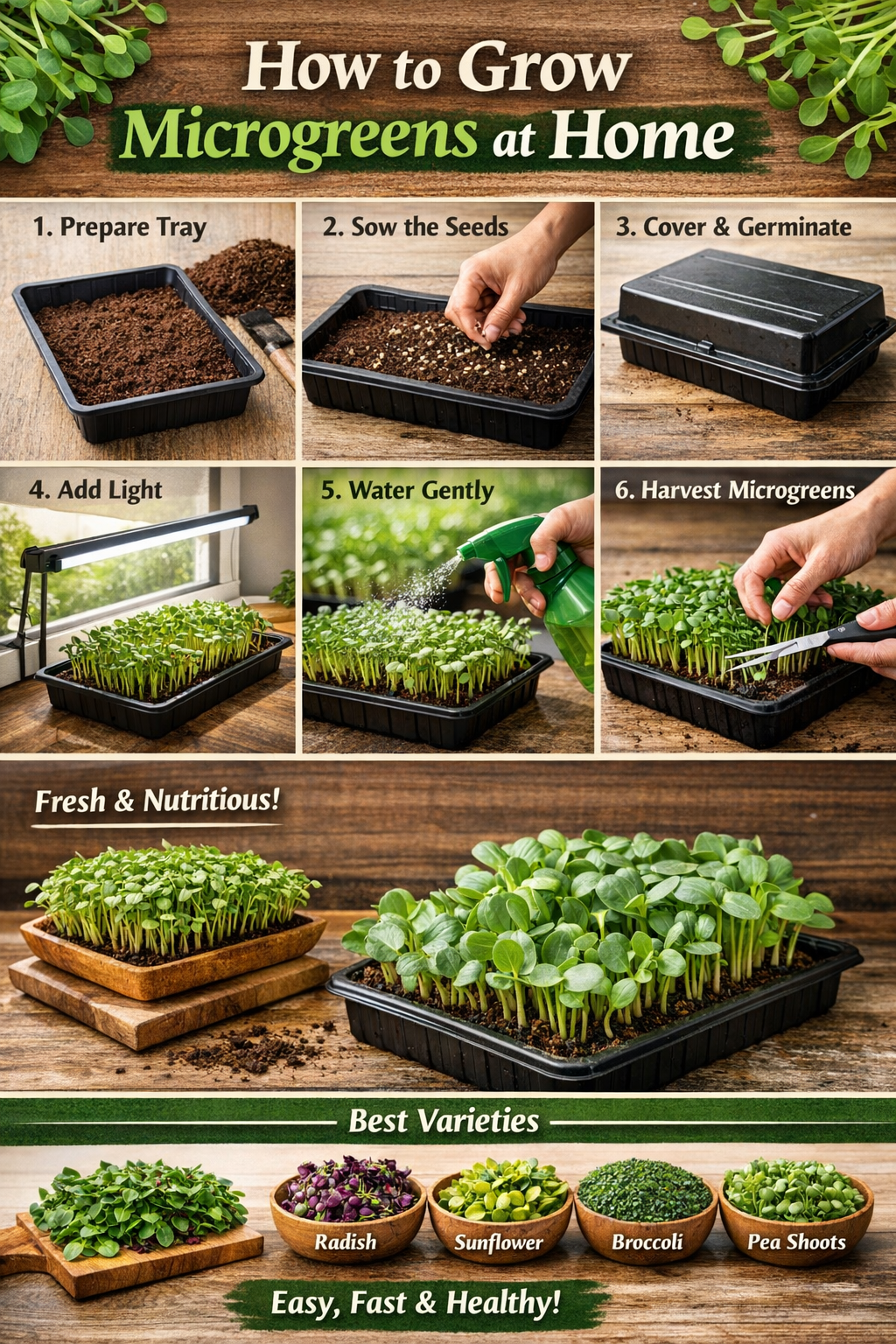
Sprouts are the very first stage of a plant’s life. They are typically grown in water, in dark, humid conditions. You eat the whole thing—seed, root, and shoot. Microgreens, however, are harvested after the plant has developed its first “true leaves.” They are grown in a medium (like our organic coco-peat) and require light and airflow. We only harvest the stems and leaves, leaving the roots behind.
This distinction is why microgreens contain significantly higher levels of fiber and complex polyphenols that sprouts simply haven’t had the time to develop.
2. The Safety Factor: Why Sprouts are Failing the 2026 Test
The biggest search query this year regarding greens is: “Are sprouts safe to eat raw?” Because sprouts require warm, wet, and stagnant conditions to germinate, they are high-risk for bacterial contamination like Salmonella and E. coli. In fact, many health departments now advise against raw sprout consumption for vulnerable groups.
The Greenu Safety Advantage: Our microgreens are grown in a “clean-air” environment. By using a soil-less medium and ensuring proper ventilation, we eliminate the standing water that bacteria love. When you order from Greenu in Chandigarh, you are getting a product that is grown in the light, which naturally inhibits many of the anaerobic bacteria found in sprouts.
3. The Sulforaphane Secret: Broccoli Microgreens
One of the most searched bio-hacks in 2026 is Sulforaphane. Found in massive concentrations in broccoli microgreens (up to 40x more than mature broccoli), this compound is a potent activator of the Nrf2 pathway, which helps detoxify the body and fight inflammation.
While broccoli sprouts also contain sulforaphane, microgreens offer a more stable form of the myrosinase enzyme. This enzyme is the “key” that unlocks the sulforaphane. Without it, the health benefits are vastly reduced. By eating the leafy green portion of the microgreen, you are getting the full enzymatic benefit.
4. Culinary Versatility and “The Crunch”
Beyond health, there is the matter of taste. Sprouts tend to be watery and can sometimes have a “grassy” or slightly bitter aftertaste. Microgreens, however, carry the concentrated flavor of the mature plant.
-
Radish Microgreens: Provide a spicy, peppery kick.
-
Sunflower Microgreens: Offer a nutty, robust crunch that can replace crackers or croutons.
-
Pea Shoots: Sweet, tender, and perfect for the famous 2026 “Green Smoothies.”
5. Why Local Delivery Matters in the Tricity
Nutrient degradation starts the moment a plant is cut. This is why “supermarket greens” often fail to deliver on their promises. They’ve been sitting in a truck or on a shelf for days.
Greenu’s model is simple: Harvested today, on your plate today. Whether you are in Sector 17 or Phase 11 Mohali, our local delivery ensures that the delicate vitamins—especially Vitamin C and K—are still at their peak when you consume them.
Conclusion: Making the Switch
If your goal in 2026 is longevity, mental clarity, and optimal gut health, the choice is clear. Microgreens offer a safer, tastier, and more nutritionally dense profile than sprouts.
Direct Q&A Style (As per User Guidelines)
Q: Are Greenu microgreens 100% organic? A: Yes, we use non-GMO, untreated seeds and grow them in a 100% organic soil-less medium without any synthetic pesticides or fertilizers.
Q: Which microgreen is best for weight loss? A: Pea shoots and Radish microgreens are excellent choices. They are high in fiber and nutrients while being incredibly low in calories, helping you stay full longer while feeding your cells the micronutrients they crave.
Q: How do I store my microgreens once they are delivered? A: Keep them in the refrigerator in an airtight container with a small paper towel to absorb excess moisture. They will stay fresh and crunchy for 7–10 days.
Q: Can I cook microgreens? A: While you can add them to warm dishes like pasta or eggs at the very end, we recommend eating them raw. Heat can destroy the delicate enzymes like myrosinase, which is essential for the health benefits of varieties like broccoli.