
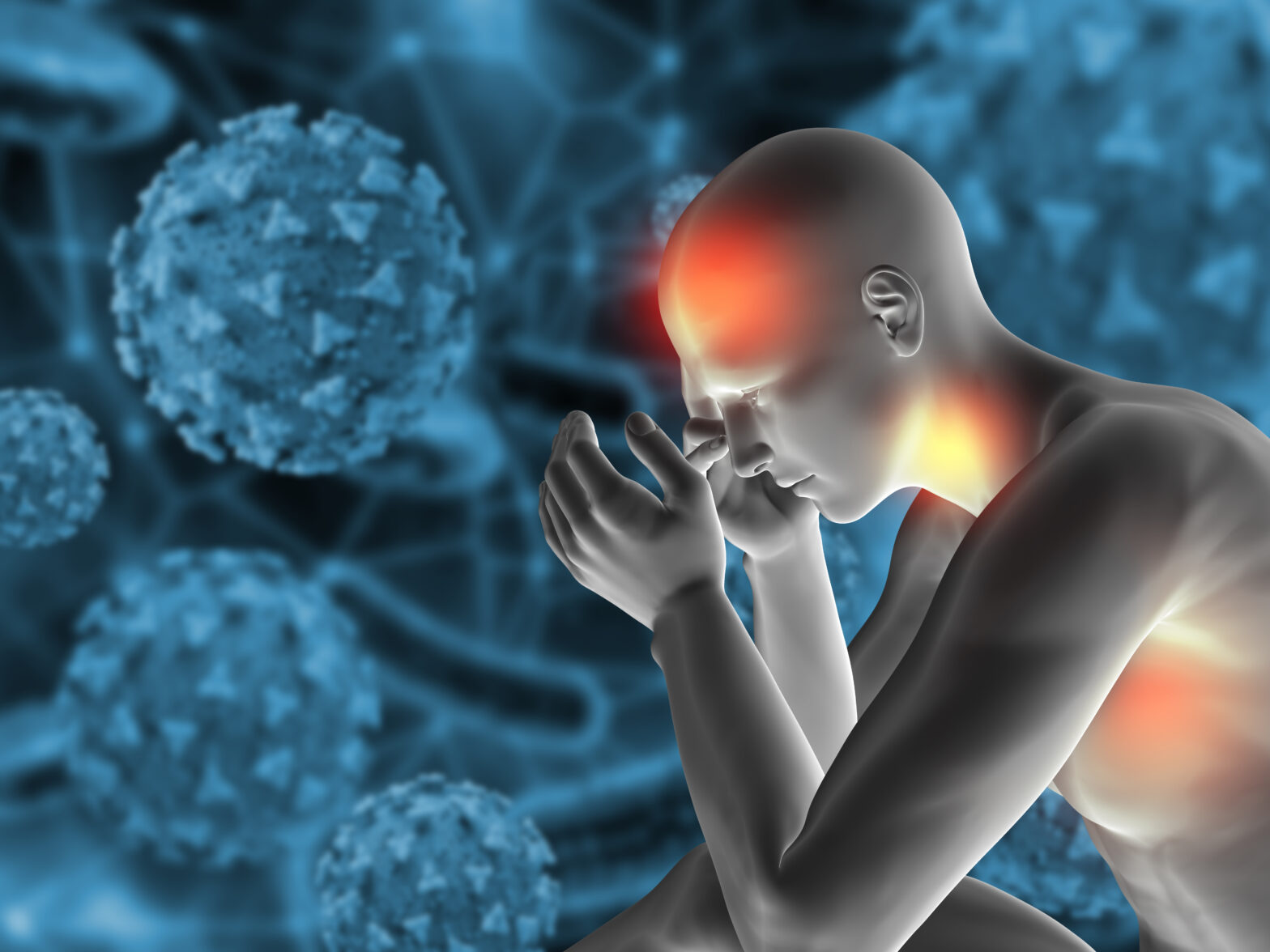
For decades, viruses and bacteria were blamed as the primary enemies of human health. While infections still exist, a quieter and more persistent threat has taken over modern life. Stress has woven itself into our routines through work pressure, financial worries, constant notifications, and emotional overload. Unlike a virus, stress does not arrive suddenly. It builds slowly, often unnoticed, until the body begins to break down. Understanding the real causes of disease today requires looking beyond germs and into how modern lifestyles silently weaken both mind and body.
How Stress Alters the Body from the Inside
Stress is not only a mental experience; it is a biological reaction. When the brain perceives pressure or danger, it releases hormones like cortisol and adrenaline. These hormones are helpful in short bursts, but when stress becomes chronic, the body never truly relaxes. Over time, high cortisol levels disrupt digestion, slow down cell repair, and disturb sleep cycles. The immune system, designed to protect us, becomes confused and less effective. This internal imbalance creates a fertile ground where illness can grow, even without exposure to harmful pathogens.
The Mind-Body Connection We Ignore
The human body does not separate emotional pain from physical health. Suppressed emotions, unresolved trauma, and constant mental tension all send signals to the nervous system. These signals can trigger inflammation, muscle tightness, hormonal imbalance, and even autoimmune reactions. Many people treat physical symptoms without addressing emotional stress, which leads to recurring illness. When discussing the causes of disease, it becomes clear that mental overload plays a much larger role than most people realize.
Why Modern Life Keeps Us in Survival Mode
Unlike our ancestors, modern humans rarely face physical danger, yet our nervous systems behave as if we do. Tight deadlines, social comparison, digital overload, and fear of uncertainty keep the brain in a constant state of alertness. This survival mode prevents the body from entering a healing state. Digestion becomes weak, sleep becomes shallow, and energy levels drop. Over months or years, this imbalance manifests as lifestyle disorders such as diabetes, heart disease, anxiety disorders, and chronic fatigue.
Stress and the Weakening of Immunity
A healthy immune system requires rest, balance, and emotional stability. Chronic stress disrupts all three. Scientific research shows that people under constant stress are more prone to frequent infections and slower recovery. Stress reduces the production of protective white blood cells and increases inflammation in the body. This explains why many individuals fall sick repeatedly without obvious exposure to viruses. The causes of disease in such cases lie not in the external environment but within the body’s stressed internal systems.
Meditation as a Natural Healing Tool
Meditation offers a powerful counterbalance to stress-driven illness. By calming the nervous system, meditation allows the body to shift from survival mode into repair mode. Regular practice lowers cortisol levels, improves oxygen flow, and restores hormonal balance. Meditation also trains the mind to respond calmly rather than react emotionally, reducing the long-term impact of stress. Unlike medication, meditation works at the root level, addressing both mental tension and physical imbalance simultaneously.

How Consistent Meditation Changes Health Over Time
The benefits of meditation are not instant, but they are profound and lasting. With consistent practice, people often experience deeper sleep, improved digestion, stable emotions, and increased immunity. The body begins to heal itself naturally when mental stress is reduced. Over time, this internal harmony lowers the risk of stress-related illnesses. Many modern wellness experts now recognize meditation as a preventive healthcare practice rather than just a spiritual activity.
Rethinking Health in the Modern World
True health is not only the absence of disease but the presence of balance. Modern medicine is excellent at treating symptoms, but long-term wellness requires lifestyle awareness. When we examine the causes of disease today, stress emerges as a central factor influencing nearly every system in the body. By incorporating meditation into daily life, individuals can protect themselves from stress-induced illness and build resilience against future health challenges.
Conclusion: Healing Begins with Awareness
Viruses may trigger illness, but stress often prepares the body to receive it. Ignoring mental wellness is no longer an option in today’s fast-paced world. Meditation offers a simple yet powerful way to reconnect the mind and body, restoring natural balance. When stress is managed effectively, the body regains its ability to heal, protect, and thrive. In the modern age, reducing stress may be the most important step toward preventing disease and achieving lasting wellness.