
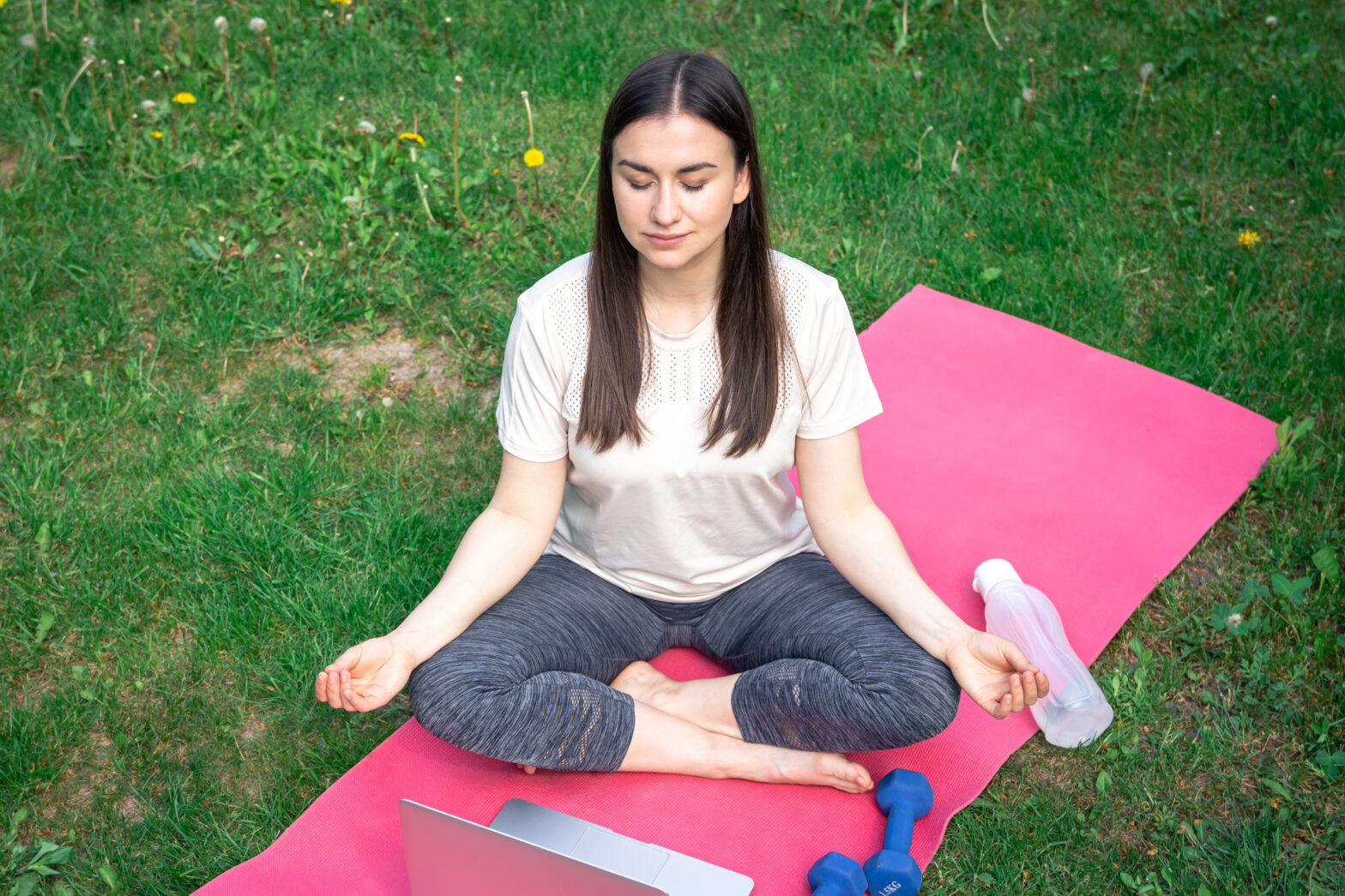
In a world that rarely slows down, it is not surprising that stress has become one of the most common barriers to living a meaningful, successful life. We wake up to notifications, rush through responsibilities, and try to cram as much productivity as possible into a single day. The result is often burnout, anxiety, or lingering emotional fatigue. Yet, the solution to this overwhelming lifestyle is far simpler than most people imagine—cultivating a daily meditation routine that calms the mind, strengthens inner resilience, and aligns goals with clarity.
Meditation is often misunderstood as a spiritual practice reserved for monks or people living a quiet life away from daily pressures. In reality, meditation is highly practical. It is a tool that helps you manage stress, improve focus, and develop the emotional intelligence required to make sound decisions, build healthy relationships, and move confidently toward your ambitions. Just like exercising to keep your body strong, meditation trains your brain to respond wisely rather than react impulsively.
Understanding the Foundation of Meditation
Before jumping into techniques or timings, it’s important to understand why meditation works. The human brain operates in patterns—thoughts, emotions, and habits are often repeated unconsciously. When stress becomes a repeated pattern, the brain interprets it as normal. Over time, you find yourself overwhelmed by minor issues, constantly dissatisfied, or mentally exhausted even without doing heavy work.
Meditation interrupts that cycle. When you take a few minutes daily to sit still and return your attention to the breath, senses, or present moment, you teach the mind to pause. You stop feeding anxious thoughts and begin to anchor yourself in awareness. The nervous system cools down; cortisol levels decrease; heart rate stabilizes. With time, these physiological effects become more permanent, offering a state of calm even when challenges occur.
Meditation is not about forcing the mind to stay quiet. In fact, many people fail because they believe meditation means stopping thoughts. Thoughts will always appear. The real skill lies in observing them without judgment and letting them pass like clouds drifting through the sky.
How a Calm Mind Builds a Successful Life
The world often sells success as a function of hustle: more hours, extra effort, faster results. But success built on emotional imbalance eventually collapses. A healthy mindset is the foundation of sustainable achievement. Meditation nurtures this mindset in several subtle but powerful ways.
First, it increases your ability to concentrate. When the mind is constantly running in different directions, it becomes difficult to commit to one goal or execute a project with precision. Meditation trains focus like a muscle. You start giving your attention to what matters most instead of being distracted by what is urgent or loud.
Second, meditation helps maintain emotional balance. Whether you’re a student preparing for exams, a professional building your career, or an entrepreneur managing risk, your decisions are heavily influenced by emotions. Anxiety leads to hesitation, anger leads to conflict, and fear leads to missed opportunities. A mind that has practiced meditation is more grounded. You respond instead of react, allowing confidence to replace stress.
Third, meditation creates internal motivation. It is easy to chase goals for external reasons: approval, survival, or competition. But true success grows from self-driven purpose. A regular practice allows you to connect with your values, dreams, and identity in a way that external noise cannot distort.
Building a Ritual That Fits Your Life
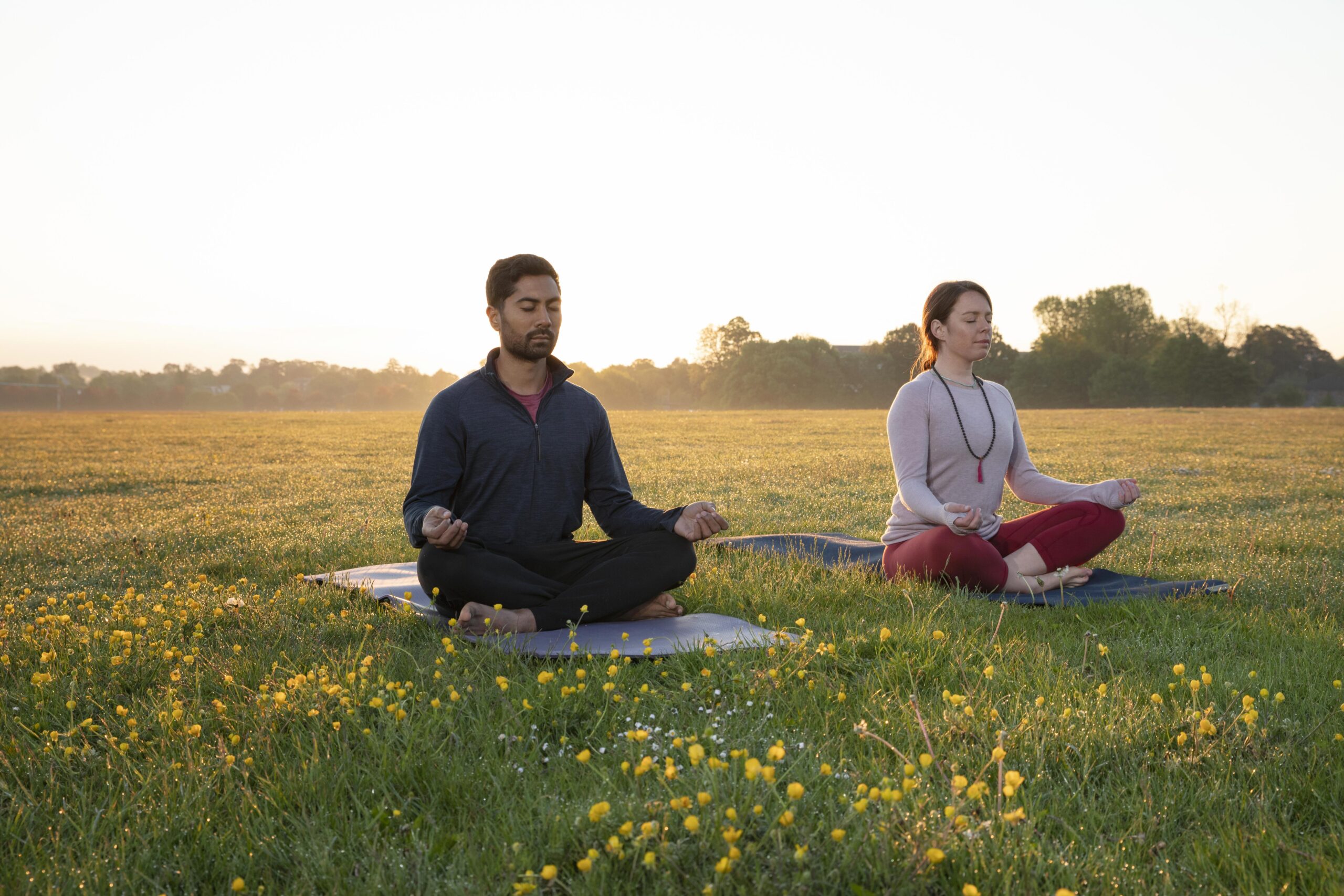
A daily meditation routine does not have to be complicated. Many people imagine they need to sit for one hour every morning, but meditation becomes effective when it is consistent—not extreme. Even five to ten minutes each day can profoundly shape your nervous system and perception.
Timing matters less than regularity. Some prefer mornings because the mind is fresh, unburdened by the day’s events. Others find late evenings more peaceful because they can process the experiences of the day and release emotional weight. Choose a time that feels natural to you. Commit to it just as you commit to eating meals or brushing your teeth.
Comfort is equally important. Sit on the floor, on a chair, or even on your bed—posture matters only if it supports alertness. Keep your spine relaxed but straight, as this allows breath to move freely. If sitting still feels difficult at first, start with mindful breathing or short body scans. The goal is not perfection, but presence.
You may notice restlessness, impatience, or even frustration during the early sessions. That is proof that meditation is working. You are becoming aware of the internal chaos that previously operated unnoticed. With practice, your mind will begin to settle, and the sessions will start to feel like mental nourishment rather than discipline.
Long-Term Changes You Should Expect
A person who practices meditation consistently begins to see ripple effects across all areas of life. Sleep quality improves because the mind releases unnecessary mental clutter before rest. Productivity increases because the brain stops wasting energy on worry or multitasking. Emotional stability becomes natural, allowing relationships to deepen and conflicts to resolve more easily.
Perhaps the most transformative change is the shift in identity. You no longer see yourself as overwhelmed, stuck, or improvising your life. You begin to understand that you are the creator of your internal world, and therefore you influence your external world. That realization is profoundly empowering. It gives you the courage to set ambitious goals and the clarity to pursue them peacefully.
Meditation is both gentle and revolutionary. It does not promise instant miracles, but it offers gradual, undeniable transformation. Every minute you invest teaches the brain to live with intention, not impulse. And in a society where constant stimulation is normal, this ability becomes your greatest advantage.
Closing Thoughts
If you have been searching for a lifestyle practice that helps you achieve balance and success without sacrificing mental health, nothing is more effective than a calm mind. A thoughtfully designed daily meditation routine reconnects you with yourself, slows down the noise of life, and strengthens your ability to thrive.
You don’t need perfect conditions, expensive tools, or spiritual knowledge. You only need willingness, patience, and a few quiet minutes each day. When you treat meditation as a personal ritual instead of a challenge, it becomes the foundation of a stress-free, successful life. Continuous practice leads to continuous growth, and the peace you cultivate internally eventually reflects in everything you do.