
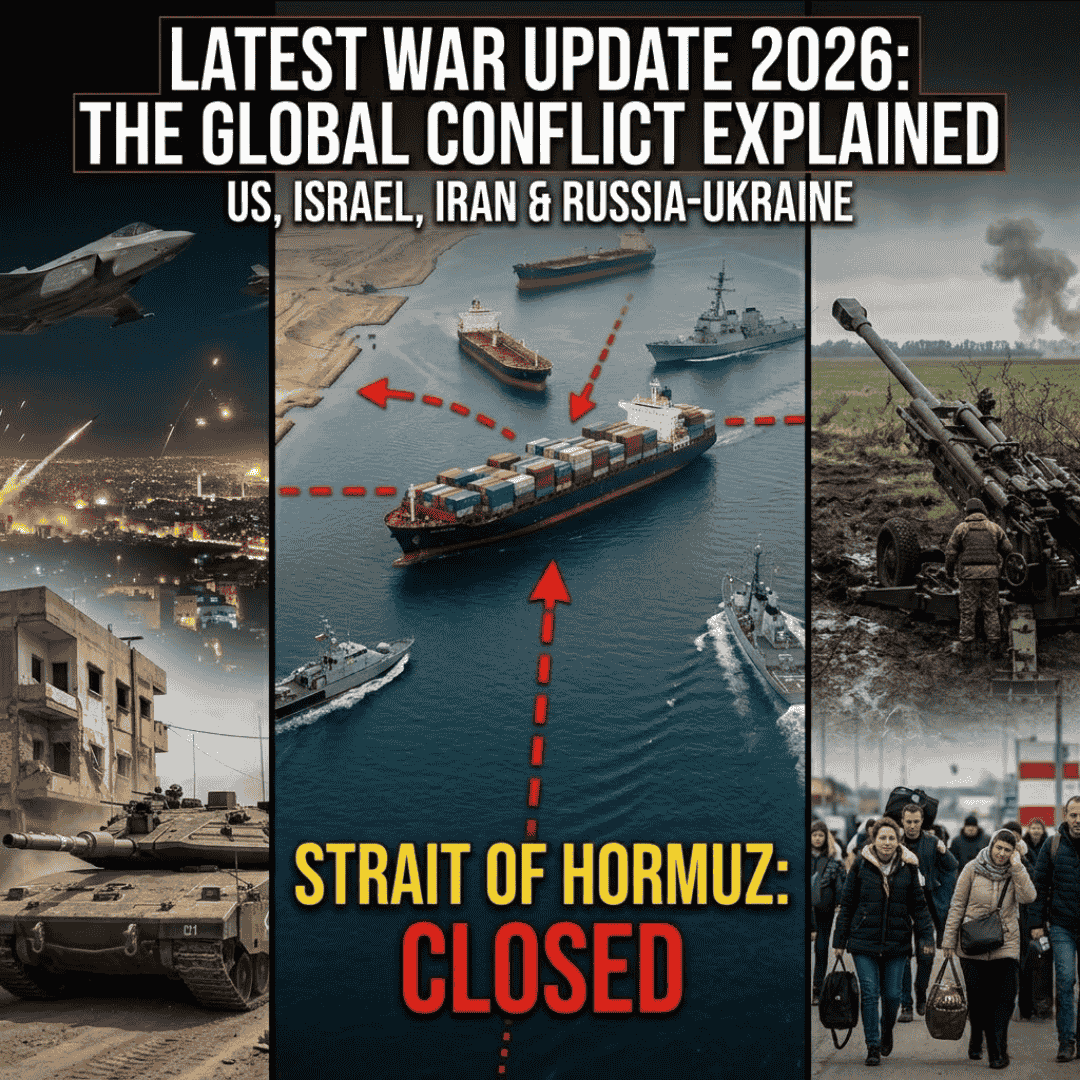
The global landscape in March 2026 is dominated by a rapid escalation of hostilities in the Middle East. What began as a targeted operation has spiraled into a multi-national conflict involving the United States, Israel, and Iran, with ripple effects reaching as far as the energy markets of Europe and the geopolitical strategies in Ukraine. This latest war update 2026 provides a deep dive into the current status of the “Epic Fury” and “Roaring Lion” operations, the closure of the Strait of Hormuz, and the broader global “things” shifting the world order.
The Spark: Operation Epic Fury and Roaring Lion
On February 28, 2026, the geopolitical map changed overnight. The United States and Israel launched a massive, coordinated air campaign against the Iranian regime. The U.S. dubbed their mission Operation Epic Fury, while Israel launched Operation Roaring Lion.
The primary objective was the neutralization of Iran’s nuclear capabilities and senior leadership. In the opening hours, strikes successfully targeted the Supreme Leader’s compound in Tehran. This decapitation strike left a power vacuum that the Iranian Revolutionary Guard Corps (IRGC) has struggled to fill, even as they recently appointed Mojtaba Khamenei as the new Supreme Leader.
Military Toll and Casualties
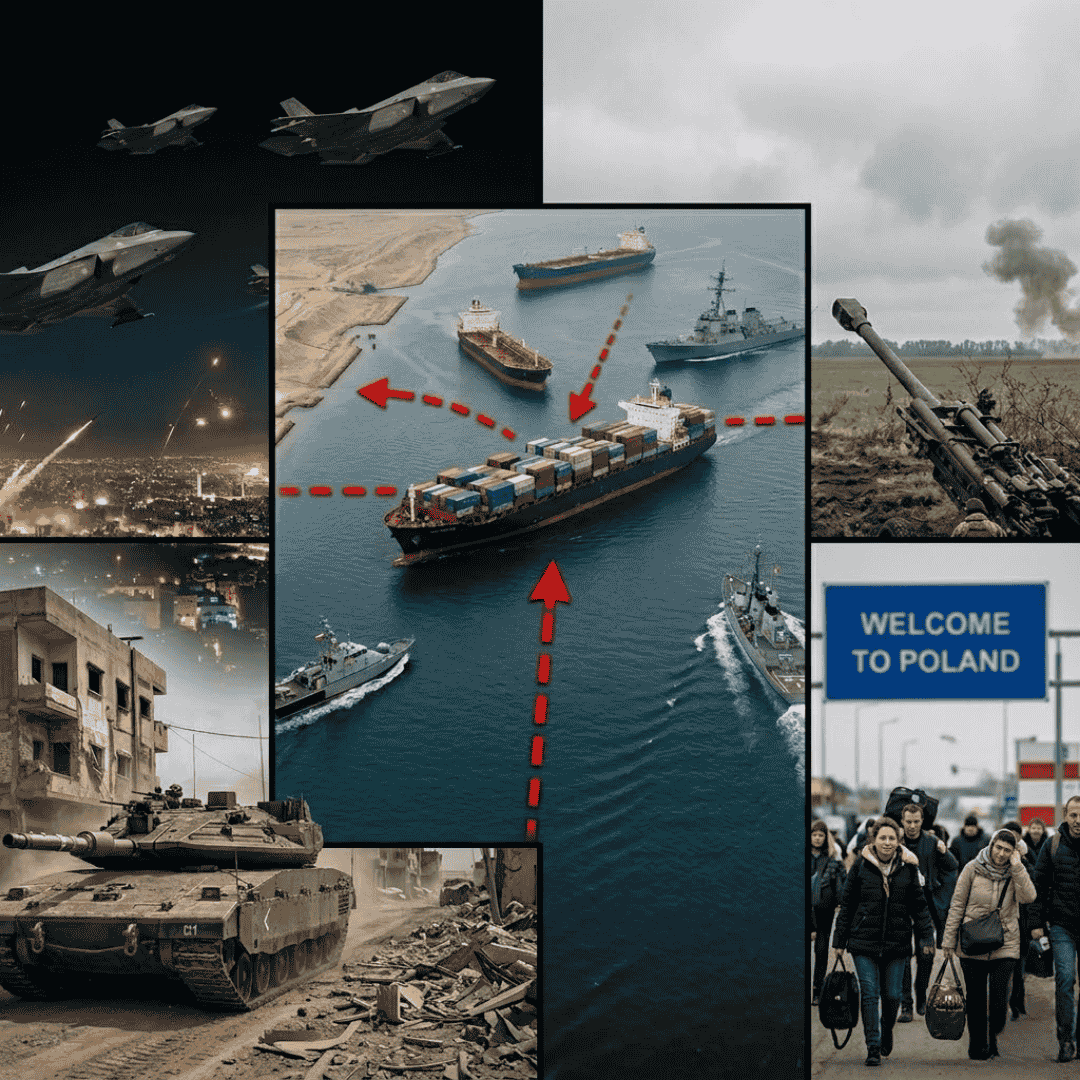
As of March 26, 2026, the numbers are staggering:
-
Iran: Reports indicate over 6,000 military personnel killed and 15,000 wounded. The Israeli Air Force claims to have destroyed nearly 70% of Iran’s ballistic missile launchers.
-
Israel: While their “Arrow” and “Iron Dome” systems have maintained a 92% interception rate, civilian areas in Tel Aviv and Jerusalem have been hit. At least 22 Israeli civilians have lost their lives.
-
United States: 13 U.S. service members have been killed in retaliatory strikes on bases in Jordan, Kuwait, and Bahrain.
The Economic Weapon: The Strait of Hormuz
Perhaps the most significant “thing” happening in this war for the average person is the closure of the Strait of Hormuz. This narrow waterway is the world’s most important oil transit point.
Iranian Foreign Minister Abbas Araghchi recently stated that the Strait is “closed only to enemies,” but in practice, insurance costs have made it impassable for almost all commercial shipping.
-
Oil Prices: Brent crude has surged past $104 per barrel, with some analysts at BlackRock predicting a spike to $150 if the conflict persists through the summer.
-
Global Supply Chain: The disruption is causing a secondary shock to global inflation, as shipping routes are diverted around the Cape of Good Hope, adding weeks to delivery times for goods moving between Asia and Europe.
The Northern Front: Israel and Lebanon
While the world watches Tehran, a brutal ground war has ignited in the north. Israel is currently expanding a “security buffer zone” in Southern Lebanon.
-
Displacement: Over 1,000,000 Lebanese civilians have been displaced as the IDF pushes toward the Litani River.
-
Hezbollah’s Stance: Hezbollah leader Naim Qassem has rejected all truce talks, stating that negotiating while under fire is “surrender.” This suggests the “latest war” in Lebanon is far from over.
The Connection: How the Middle East Impacts Ukraine
The Russia-Ukraine war (now in its fourth year) is being directly influenced by the Middle Eastern crisis. President Volodymyr Zelenskyy recently noted that the U.S. focus on Iran is emboldening Russia.
-
The “Blackmail” Strategy: Russia has reportedly offered to stop sharing military intelligence with Iran if the U.S. reduces its intelligence support for Kyiv.
-
The Peace Proposal: President Donald Trump has reportedly linked future security guarantees for Ukraine to the ceding of the Donbas region to Russia, a move aimed at “clearing the deck” to focus U.S. resources on the Middle East.
Global “Things” to Watch
Beyond the kinetic fighting, several global shifts are occurring simultaneously:
-
Cyber Warfare: Both Iran and Russia have increased “denial of service” attacks on Western financial institutions.
-
Diplomatic Isolation: Australia has recently banned all Iranian visitors, fearing they will be unable to return home due to the conflict.
-
The Peace Plan: Washington has sent a 15-point truce proposal to Tehran. However, Iran’s counter-demands include full sovereignty over the Strait of Hormuz and reparations for war damages, which the U.S. is unlikely to accept.
Why This Matters for Your Business and Life
The latest war update 2026 isn’t just about maps and missiles; it’s about the cost of living. If you are in the logistics, energy, or tech sectors, the volatility in the Middle East is the single biggest factor influencing your Q2 and Q3 strategy.
SEO and Search Trends
People are currently searching for:
-
“When will the Strait of Hormuz reopen?”
-
“Gas prices March 2026”
-
“US-Iran peace talks status”
-
“Operation Epic Fury summary”
By staying informed on these topics, you can better navigate the economic shifts coming our way.
Conclusion
The war in 2026 is a multi-layered crisis. From the air over Tehran to the trenches in Ukraine and the shipping lanes in the Gulf, the world is in a state of flux. As diplomacy and military force continue to clash, the hope for a “month-long ceasefire” remains the goal of the international community, though both sides remain dug in.