
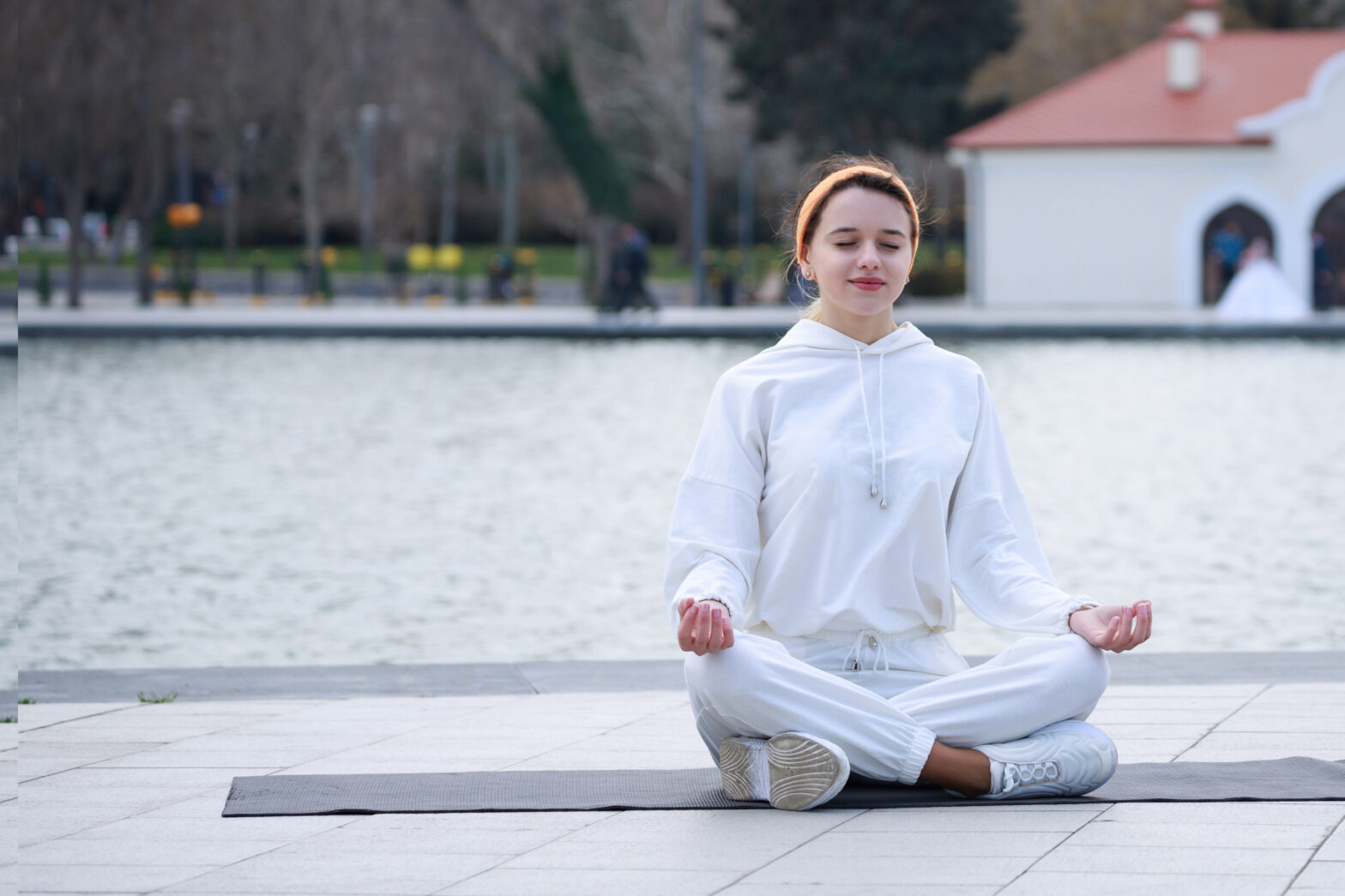
In today’s fast-moving world, mental peace has become just as valuable as physical fitness. Screens, deadlines, and constant notifications keep our minds in a loop of stress that never seems to end. But as modern wellness takes a new direction, one practice is making an unexpected comeback—meditation for mental health. Once viewed as a traditional spiritual ritual, meditation is now becoming a scientific solution for emotional balance, stress relief, and cognitive clarity. And the way it is reshaping daily wellness is nothing short of revolutionary.
The Shift From Traditional Wellness to Mind-First Wellness
For years, daily wellness routines mostly centered on physical practices like eating clean, exercising, and getting enough sleep. While these are still important, people are realizing that emotional stability and mental strength are the core drivers of overall well-being. This shift is pushing millions toward routines that support the mind as much as the body.
Meditation sits at the center of this shift. Instead of being considered a long spiritual exercise, it is now being embraced as a realistic mental health tool—even by young professionals, students, and busy parents. With rising conversations about anxiety, burnout, and emotional exhaustion, meditation offers a simple, accessible solution to restore balance without depending on screens or stimulants.
Why Meditation for Mental Health Is Becoming a Daily Habit
The growing awareness around emotional wellbeing has encouraged people to rethink how they begin and end their days. Meditation is no longer just a morning ritual for yogis; it is slowly becoming a mainstream habit for people from all walks of life.
One major reason is its simplicity. Unlike intense fitness routines or strict diets, meditation requires no equipment, money, or special environment. Just a few minutes of mindful breathing can reduce stress levels and help regulate emotions. People are realizing that small, consistent practices improve their mood, boost their energy, and help them stay grounded throughout the day.
Secondly, mental fatigue has become a global concern. Digital overload and information saturation often drain the mind faster than the body. Meditation for mental health helps people slow down, reconnect with themselves, and regain mental clarity. Even corporate companies now encourage meditation breaks because they boost productivity and emotional stability in employees.
The Science Behind Meditation’s Mental Health Benefits
What makes meditation increasingly popular is the scientific evidence supporting its value. Researchers have discovered that meditation directly impacts brain regions responsible for stress, focus, memory, and emotional regulation.
When a person meditates, the brain shifts from a stress-dominant state to a calm and balanced one. Cortisol levels drop, leading to reduced anxiety and improved emotional resilience. At the same time, the brain’s prefrontal cortex—the part responsible for decision-making and focus—becomes more active. This means meditation does not just calm the mind but also strengthens it.
Furthermore, regular meditation for mental health has been linked with better sleep patterns, improved mood stability, and enhanced problem-solving abilities. Studies also suggest that meditation increases grey matter in the brain, which supports emotional processing and self-awareness. This combination of emotional and cognitive benefits is why meditation is redefining how people approach everyday wellness.
Meditation as a Stress-Management Lifeline
Stress may be a common part of modern life, but how people deal with it is rapidly changing. Instead of depending on short-term coping methods, individuals are turning to meditation as a long-term stress-management practice. And the best part is that meditation trains the mind to respond to stress rather than react to it.
When practiced consistently, meditation creates a mental buffer that prevents overwhelming situations from taking over. This is why many people who meditate regularly report feeling more stable, patient, and peaceful even during high-pressure moments. It helps them respond with clarity instead of emotion. And as stress management becomes a priority in wellness culture, meditation continues to rise as a key part of the modern routine.
How Meditation Improves Emotional Wellness
Even though stress management is important, emotional wellness goes deeper. It involves understanding your thoughts, recognizing emotional triggers, and maintaining balance even during difficult times. Meditation excels in this area because it trains individuals to observe their thoughts without judgment.
This level of self-awareness helps people navigate emotional challenges more effectively. Whether it is anxiety, frustration, or sadness, meditation creates space for reflection and healing. People learn to sit with their emotions rather than suppress them, which allows them to build inner strength. In the long run, this emotional discipline becomes a major contributor to improved mental wellbeing.
Additionally, meditation for mental health encourages positive thinking patterns. It rewires the brain to focus on the present moment rather than dwell on past regrets or future worries. As a result, emotional stress reduces significantly, and individuals develop a calmer and more confident mindset.
The Rise of Micro-Meditation Trends
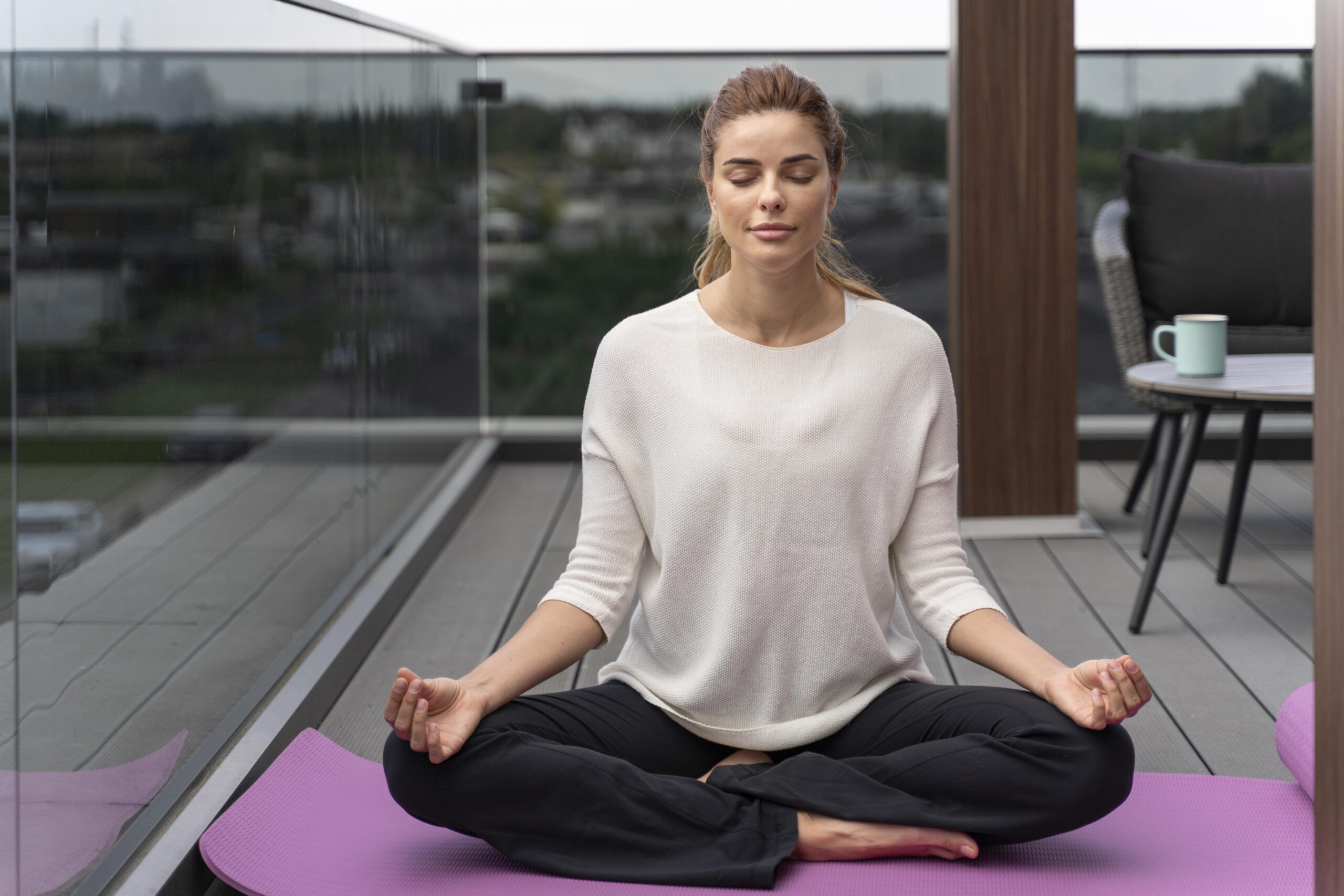
One interesting trend that is becoming extremely popular is micro-meditation. Instead of long meditation sessions, people now practice short, powerful moments of mindfulness throughout the day. These quick sessions may last just one to three minutes but offer deep calming effects.
Micro-meditation fits perfectly into modern busy lifestyles. People can practice it at their desks, during breaks, before meetings, or right after waking up. It requires no special setup and helps reset the mind instantly. This trend is spreading rapidly on social media, encouraging more people to adopt meditation as part of their daily wellness routine.
Redefining Daily Wellness With Meditation
Daily wellness today is not simply about being physically fit. It is about being emotionally aware, mentally strong, and spiritually aligned. Meditation brings all three elements together effortlessly. It enhances mindfulness, strengthens emotional intelligence, and improves quality of life.
As more individuals integrate meditation for mental health into their routines, wellness is being redefined in a more holistic way. People are no longer chasing instant solutions; they are embracing practices that nurture long-term wellbeing. Meditation has become the foundation for this movement.
Final Thoughts
Meditation is transforming how people approach their mental and emotional health. With growing awareness, scientific validation, and global acceptance, it has become a central part of modern wellness culture. Whether you practice for five minutes or twenty, meditation brings clarity, peace, and balance that supports a healthier lifestyle.
As the world continues to evolve, meditation for mental health will remain a powerful tool for those seeking strength, stability, and harmony in their daily lives.