
Good oral health is an essential component of overall physical well-being, yet millions of people suffer from preventable oral diseases. From mild tooth sensitivity when drinking cold water to sudden, severe toothaches that disrupt sleep, daily dental issues can significantly affect your quality of life. Understanding the most common dental problems enables you to recognize early warning signs, seek timely professional care, and protect your natural smile for decades to come.
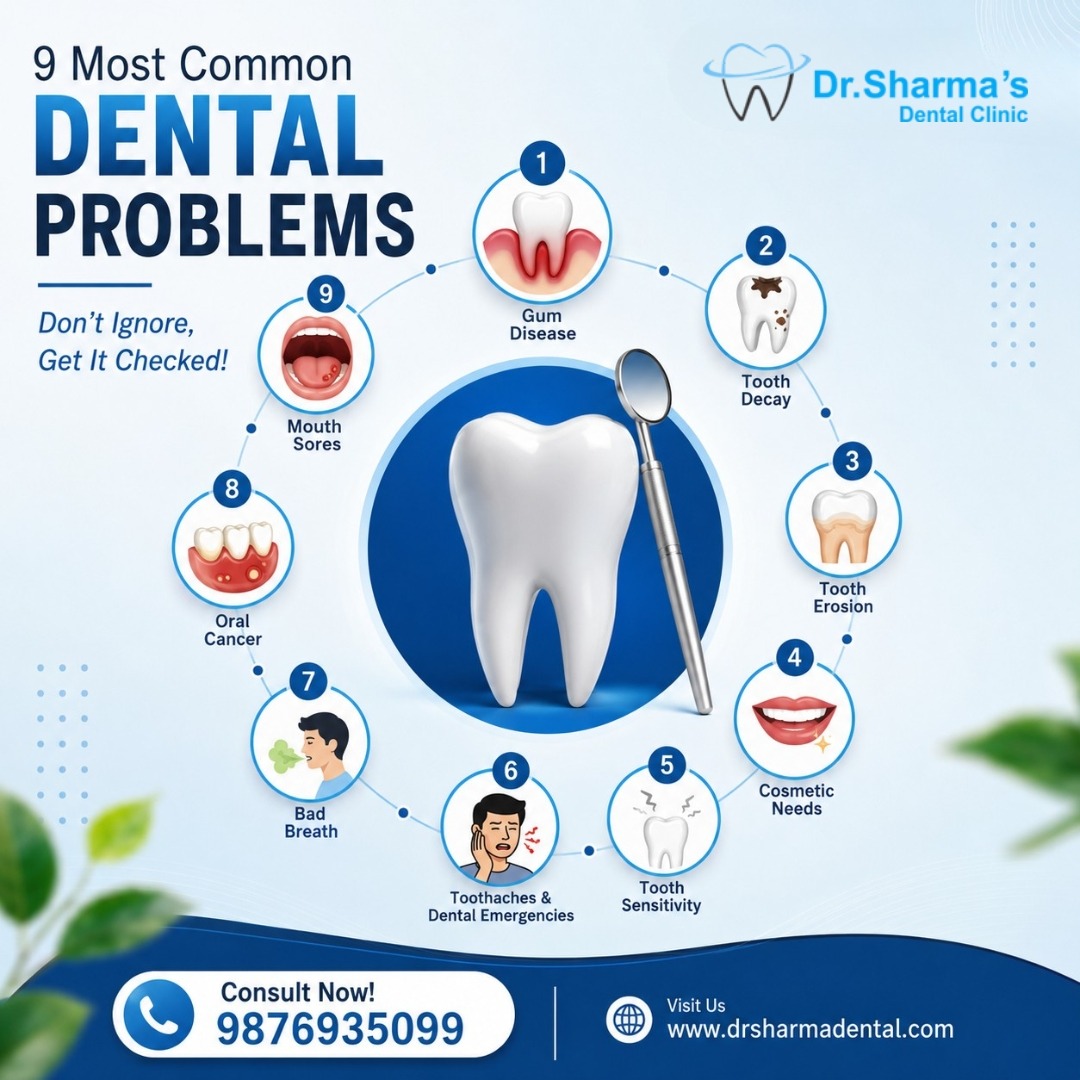
At Dr. Sharma’s Dental Clinic, located in Phase 11, Sector 65, Mohali, we emphasize preventive dentistry and personalized treatment plans. Whether you require routine professional cleanings, restorative treatments, or urgent emergency care, identifying oral issues at their earliest stage saves you time, discomfort, and unnecessary expense. Below, we take an in-depth look at the nine primary dental conditions affecting children and adults, along with their causes, treatments, and preventive measures.
Detailed Overview of the 9 Most Common Dental Problems
1. Gum Disease (Gingivitis and Periodontitis)
Gum disease begins when bacterial plaque builds up along the gumline. In its initial stage, known as gingivitis, it causes red, swollen, or inflamed gums that bleed during brushing or flossing. If left untreated, gingivitis progresses into periodontitis, a serious infection that damages the soft tissue and destroys the underlying bone supporting your teeth. Periodontitis is one of the leading causes of tooth loss in adults.
-
Causes: Poor oral hygiene, smoking, diabetes, genetic predisposition, and delayed professional cleanings.
-
Treatment: Professional scaling and root planing (deep cleaning), antimicrobial rinses, and in advanced cases, periodontal surgery or laser-assisted therapy.
2. Tooth Decay (Dental Caries)
Tooth decay, commonly referred to as cavities or dental caries, occurs when enamel—the protective outer layer of your teeth—is broken down by acids produced by oral bacteria. These bacteria feed on sugars and carbohydrates from food particles, producing destructive acids.
-
Causes: High sugar intake, inadequate brushing, frequent snacking, and lack of fluoride exposure.
-
Treatment: Restorative fillings (composite tooth-colored resin), porcelain crowns, or root canal therapy if the decay reaches the inner nerve pulp.
3. Tooth Erosion
Tooth erosion is the progressive loss of hard dental enamel caused by direct exposure to non-bacterial acids. Unlike decay, which is driven by bacterial plaque, erosion is caused by dietary acids, stomach acids, or environmental factors. Once enamel wears away, the yellowish dentin layer underneath is exposed, leading to dull-looking teeth and increased temperature sensitivity.
-
Causes: Excessive consumption of acidic beverages (sodas, citrus juices, sports drinks), acid reflux (GERD), frequent vomiting, or dry mouth.
-
Treatment: Fluoride varnish applications, dental bonding, porcelain veneers, or crowns to protect remaining tooth structure.
4. Unaddressed Cosmetic Needs
While cosmetic concerns may not always cause physical pain, crooked, stained, chipped, or misaligned teeth can significantly lower self-confidence and impact social interactions. Furthermore, misaligned teeth create tight, hard-to-reach spaces where plaque accumulates, making them harder to clean and increasing your risk of decay and gum disease.
-
Causes: Genetics, age-related staining, trauma, coffee/tea consumption, or thumb-sucking habits during childhood.
-
Treatment: Clear aligners, metal or ceramic braces, teeth whitening treatments, composite bonding, and custom porcelain veneers.
5. Tooth Sensitivity (Dentin Hypersensitivity)
If you experience a sharp, sudden flash of pain when eating hot soup, drinking cold beverages, or biting into sweet treats, you likely have tooth sensitivity. Dentin hypersensitivity occurs when protective enamel thins or when gums recede, exposing microscopic tubules in the underlying dentin that lead directly to the tooth’s nerve center.
-
Causes: Aggressive tooth brushing with hard bristles, gum recession, enamel erosion, teeth grinding (bruxism), or cracked teeth.
-
Treatment: Desensitizing toothpaste, fluoride gel applications, dental bonding over exposed roots, or gum grafts.
6. Toothaches & Dental Emergencies
A severe, throbbing toothache is often a sign of an advanced infection inside the tooth pulp or an abscess beneath the root. Dental emergencies—including sudden trauma, knocked-out teeth, broken crowns, or cracked enamel—require immediate intervention by an experienced dental surgeon to save the affected tooth and relieve acute pain.
-
Causes: Deep bacterial infection, facial trauma, cracked tooth structure, or failing restorations.
-
Treatment: Emergency pulp therapy, root canal treatment (RCT), protective dental crowns, or tooth extraction with subsequent implant placement.
7. Chronic Bad Breath (Halitosis)
Persistent bad breath that does not go away after brushing or using mouthwash is often a symptom of an underlying oral health issue rather than just strong food odors. Bacteria lodged on the back of the tongue, between teeth, or beneath swollen gum pockets release volatile sulfur compounds that cause an unpleasant odor.
-
Causes: Poor dental hygiene, dry mouth (xerostomia), untreated gum disease, tobacco use, or systemic medical conditions.
-
Treatment: Professional oral prophylaxis (cleaning), tongue scraping, specialized antibacterial mouthwashes, and treating underlying gum conditions.
8. Oral Cancer
Oral cancer encompasses cancers of the lips, tongue, cheeks, floor of the mouth, hard and soft palate, and pharynx. Early detection is crucial for successful treatment outcomes. Regular dental checkups at Dr. Sharma’s Dental Clinic include comprehensive visual and manual screenings for unusual red or white patches, non-healing sores, or abnormal tissue swelling.
-
Causes: Tobacco use (cigarettes, chewable tobacco), excessive alcohol consumption, HPV infection, and prolonged sun exposure on the lips.
-
Treatment: Biopsy, surgical excision, radiation therapy, or chemotherapy, depending on early clinical staging.
9. Mouth Sores (Canker Sores, Cold Sores, & Ulcers)
Mouth sores are painful lesions that appear on the soft tissues inside the mouth, including the inner cheeks, lips, tongue, and gums. While minor canker sores usually resolve on their own within one to two weeks, persistent, non-healing ulcers lasting longer than two weeks require professional clinical evaluation to rule out complex lesions.
-
Causes: Accidental cheek biting, nutritional deficiencies (vitamin B12, iron, zinc), stress, hormonal shifts, viral infections (HSV), or sharp appliances.
-
Treatment: Topical anesthetic gels, protective mucosal ointments, soft laser therapy for instant pain relief, and dietary supplementation.
Comparison Table: Common Dental Symptoms vs. Professional Solutions
Why Early Detection Matters for Your Oral Health
Ignoring minor oral discomfort or skipping routine biannual checkups often allows minor issues to develop into complex medical problems. Addressing these most common dental problems early protects your natural tooth structure and minimizes the need for extensive surgical procedures.
At Dr. Sharma’s Dental Clinic, our experienced dental team combines modern diagnostic tools, low-radiation digital radiography, and painless treatment techniques to ensure every patient receives high-quality dental care in a comfortable environment.
Daily Preventive Guidelines for a Lifetime Smile
Maintaining optimal oral hygiene at home between clinical checkups is your first line of defense against disease:
-
Brush Twice Daily: Use a soft-bristled toothbrush and fluoride toothpaste for two minutes every morning and night.
-
Floss Daily: Clean tight spaces between teeth using dental floss or an interdental brush to remove hidden plaque.
-
Clean Your Tongue: Gently brush or scrape your tongue daily to prevent chronic bad breath and reduce bacterial buildup.
-
Maintain a Balanced Diet: Limit sugary snacks, carbonated drinks, and acidic foods that weaken tooth enamel.
-
Stay Hydrated: Drink plenty of water throughout the day to stimulate natural saliva production, which neutralizes acids and washes away food particles.
-
Schedule Routine Cleanings: Visit your dentist every 6 months for a professional cleaning and early screening.
Frequently Asked Questions (FAQs)
1. How often should I visit Dr. Sharma’s Dental Clinic for routine checkups?
We recommend scheduling a routine dental checkup and professional cleaning every six months. However, patients with a higher risk of gum disease, diabetic conditions, or ongoing orthodontic treatment may benefit from visits every three to four months.
2. Can gum disease be reversed if caught early?
Yes! In its initial stage (gingivitis), gum disease can be completely reversed with professional dental cleaning (scaling) and improved brushing and flossing habits at home.
3. What should I do during a dental emergency in Mohali?
If you experience a severe toothache, a broken tooth, or an injury to your mouth, wash your mouth with warm water, apply a cold compress to your face to reduce swelling, and call Dr. Sharma’s Dental Clinic immediately at +91 9876935099 for emergency guidance and same-day care.
4. Are dental fillings and root canals painful?
No. Modern dentistry uses effective local anesthetics to ensure you remain completely comfortable during restorative procedures. Most patients report feeling only light pressure, with immediate relief from pre-existing toothache pain.
5. What causes tooth sensitivity, and can it be cured?
Tooth sensitivity is caused by exposed dentin, worn enamel, or receding gums. It can be treated using clinical desensitizing agents, fluoride varnishes, or restorative bonding performed by your dentist.
Schedule Your Dental Checkup in Mohali
Preventing these most common dental problems before they start is the smartest step you can take for your smile. Contact Dr. Sharma’s Dental Clinic today to book your consultation or routine dental checkup.
-
Clinic Address: S.C.F. 45, First Floor, Phase-XI, Sector 65, Mohali, Punjab 160062
-
Phone / Helpline: +91 9876935099 | 0172-5058099
-
Website: www.drsharmadental.com
-
Clinic Timings: Monday – Saturday: 10:00 AM – 8:00 PM (By Appointment)